



Want to know about the best dietary supplements for men? In this blog, we’re diving into 5 key supplements that can help support performance and overall health. Curious to know more? Let’s get into it.
Note: This post is for informational purposes only and isn’t a substitute for professional medical advice. Talk to your doctor before starting any new supplement, especially if you have an existing health condition or take medication. See our full Disclaimer for more.
That’s why in this blog of TheFitInside, we’re going to look at 5 supplements that many men consider adding to their nutrition routine.
What Are The Best Dietary Supplements For Men?
Even with a solid diet, gaps in nutrition are common: busy schedules, inconsistent meals, and higher training demands can all leave you short on certain nutrients. Supplements are meant to help close those gaps, not replace a balanced diet.
Now, let’s take a good look at the 5 important dietary supplements that every man needs.
Also Read: Is Hyrox Worth Up To ₹10,000?

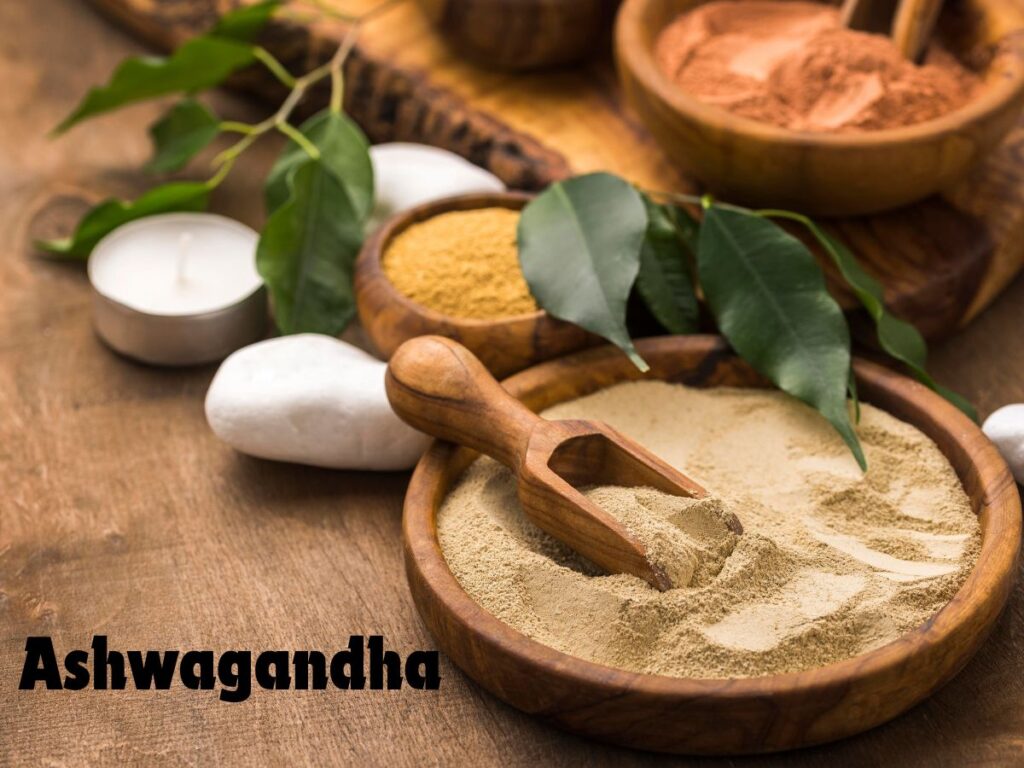
1. Ashwagandha
Ashwagandha is an adaptogenic herb long used in Ayurvedic medicine, and it’s one of the more researched options on this list when it comes to stress and hormone support. A 16-week randomized, placebo-controlled study in aging, overweight men found that daily ashwagandha extract was linked to greater increases in testosterone and DHEA-S compared to placebo, alongside improvements in fatigue and vigor.
Most studies use standardized extract doses in the range of 240mg to 600mg per day. It’s commonly taken as a capsule, tablet, or powder mixed into milk or a smoothie, often before bed since many people find it mildly relaxing.
Source: Lopresti et al., American Journal of Men’s Health, 2019 – PubMed
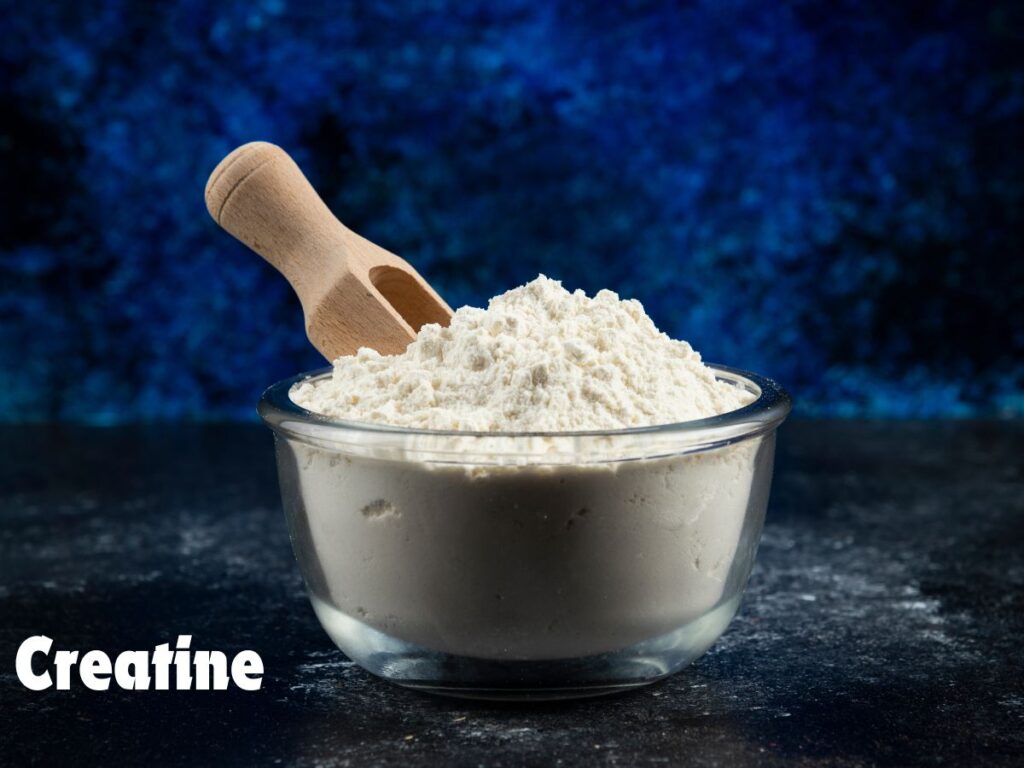
2. Creatine
Creatine is one of the most studied supplements in sports nutrition, and for all the good reasons. It’s consistently shown to support muscle strength, power output, and lean body mass when combined with training. Since we get most of our dietary creatine from meat, intake can fall short for a lot of people, which is where supplementation helps.
The International Society of Sports Nutrition recommends a standard maintenance dose of 3-5g of creatine monohydrate per day. Because creatine draws water into muscle cells, it’s worth paying a bit more attention to your hydration while taking it. Creatine monohydrate is the most researched and most affordable form, and works well as capsules or powder.
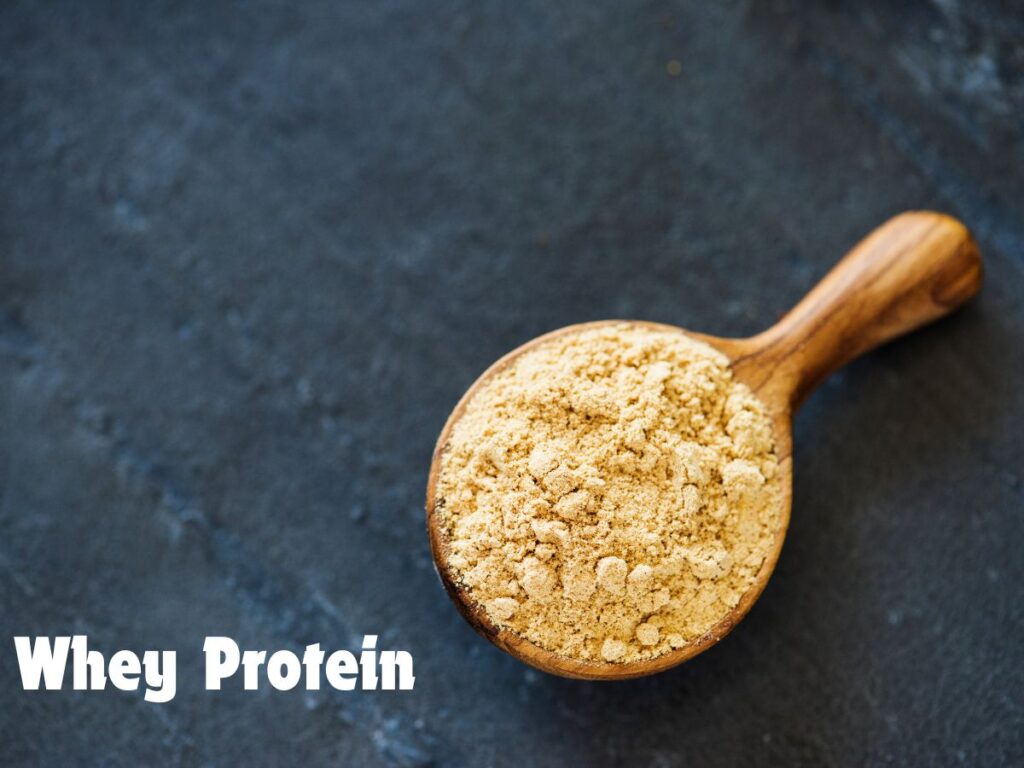
3. Whey Protein
There’s a popular belief that “every human is required to take protein as per kilogram of their body weight” to stay fit. However, this is an oversimplification. Protein is just a basic nutritional requirement, and whey protein is a popular choice when we discuss effective protein sources for the human body. The essential amino acids present in whey protein help to repair our muscles and also fulfill the protein requirements of the body. This is crucial in building muscles, and strength, and even helps in staying lean.
Just like the creatine, whey protein also comes in various types. There are three major types of whey protein: Isolate, concentrate, and hydrolysate, with concentrate being the most common and typically providing around 20-25g of protein per scoop. The ISSN recommends 1.4-2.0g of protein per kg of body weight per day for people who train regularly; if you’re falling short of that through food alone, 1-2 scoops can help close the gap. If you have kidney concerns or are on medication, check with a doctor before adding a protein supplement.
Source: Jäger et al., ISSN Position Stand: Protein and Exercise, 2017 – PMC

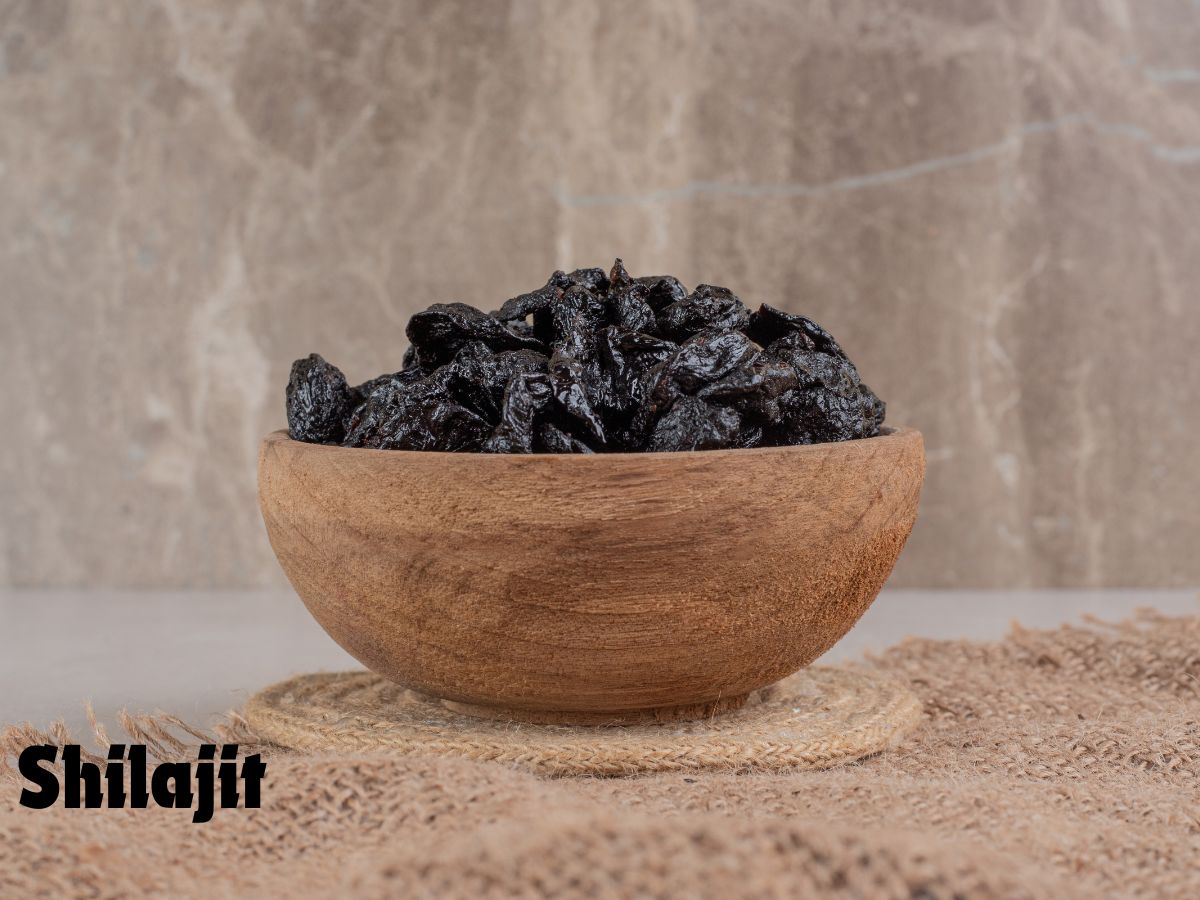
4. Shilajit
Shilajit is a mineral-rich substance that forms naturally in mountain rock over centuries, and it’s a household name in Indian wellness circles. It’s been traditionally used to support strength, vitality, and hormone balance. A randomized, placebo-controlled clinical trial found that purified shilajit taken for 90 days was associated with a significant increase in testosterone and DHEA-S in healthy men.
Although, shilajit needs to be handled carefully. Because it forms in rock and soil, raw or poorly purified shilajit can carry heavy metals like lead, mercury, and arsenic, serious enough that Health Canada has issued advisories against unauthorized Ayurvedic products found to contain unsafe heavy metal levels. Only buy shilajit from brands that provide third-party lab testing or a Certificate of Analysis, and avoid raw, unbranded resin of unknown origin.
Sources: Pandit et al., Andrologia, 2016 – Wiley · Health Canada advisory on Ayurvedic products and heavy metals
5. Multi-Vitamins
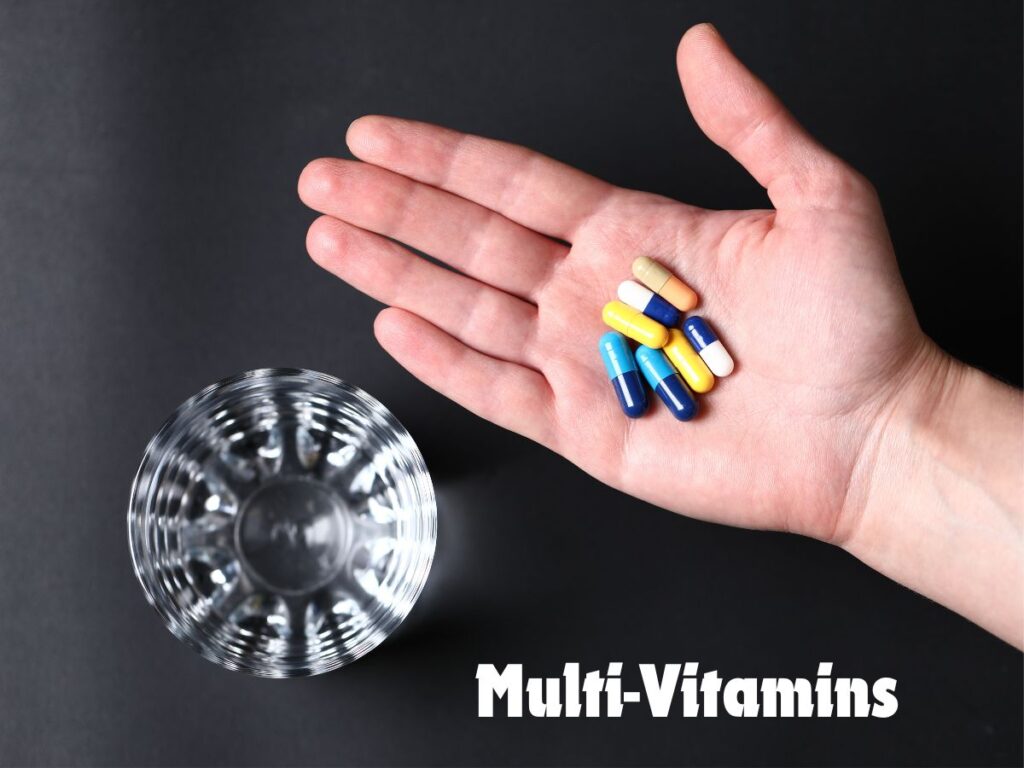
Fruits and vegetables don’t always cover every vitamin and mineral your body needs, which is where a multivitamin can help fill the gaps; but it’s worth being clear-eyed about what they do and don’t do. According to the NIH Office of Dietary Supplements, multivitamins can’t replace a healthy diet, and most research shows they have little effect on chronic disease risk. Where they do help is topping up nutrients you’re consistently falling short on.
Multivitamins generally come in water-soluble and fat-soluble forms. Water-soluble vitamins flush out more easily and need more consistent daily intake, while fat-soluble ones are stored in the body. Stick to the labeled serving size, since doubling up (especially alongside fortified foods) can push some nutrients past safe upper limits.
Source: NIH Office of Dietary Supplements – Multivitamin/mineral Supplements Fact Sheet.
Conclusion
Dietary supplements can genuinely help fill nutrition gaps, support training, and improve overall wellbeing, but they work best as a complement to a solid diet, not a replacement for one. Ashwagandha, creatine, whey protein, shilajit, and multivitamins are five of the more well-studied options for men, but individual needs vary a lot based on diet, training, age, and health history.
If you have an existing health condition, take medication, or are unsure what’s right for you, talk to a doctor or registered dietitian before starting any new supplement.
Frequently Asked Questions
1. Which supplements should every man take?
None of these are strictly necessary for every man. They’re meant to fill specific gaps. Creatine and whey protein support training goals, ashwagandha and shilajit are more about stress and hormone support, and a multivitamin covers general nutritional shortfalls. Which ones make sense for you depends on your diet, training, and health history.
2. Can I take these supplements together, or are there interactions to watch for?
There’s no published research specifically testing ashwagandha and shilajit together, only individually. It’s not accurate to call the combination proven safe or proven synergistic. Both can influence testosterone and DHEA-S. If you’re taking them alongside each other, it’s worth mentioning to a doctor, especially with thyroid, kidney, or blood pressure conditions. Creatine, whey protein, and a multivitamin don’t carry the same concern and are commonly used together.
3. Which of these help support testosterone naturally?
Ashwagandha and shilajit are the two on this list with clinical research behind testosterone support specifically, the studies cited above for each. Neither is a guaranteed fix for low testosterone, and if you suspect you actually have low T, that’s worth getting tested for rather than self-treating with supplements.
4. Do supplement needs change for men over 50?
Yes, in a few specific ways. Your body absorbs vitamin B12 less efficiently as you age because stomach acid production declines. That’s why supplemental or fortified-food B12 becomes more important after 50, rather than relying on food sources alone. Vitamin D and calcium needs also become more relevant for bone health. None of this changes the case for creatine, whey, ashwagandha, or shilajit. It’s simply a reason a multivitamin or targeted B12 supplement can matter more than it did at 30.
5. Do Indian men need a multivitamin if they already eat a balanced diet?
Often less than marketing suggests, but not never. A genuinely varied Indian diet with enough vegetables, dairy, and protein covers most needs. Where gaps commonly show up are vitamin D, since a lot of urban Indian life happens indoors or covered up from the sun. B12 is the other common gap, harder to get enough of on a vegetarian diet since it’s mostly found in animal products.
6. Is whey protein necessary for vegetarian Indian men, or can diet alone cover it?
It depends on how much protein you’re training to hit. Vegetarian sources like dal, paneer, and dairy can get you there, but it takes more deliberate planning than a diet that includes meat, fish, and eggs. Whey is a fast way to close that gap without eating unrealistic quantities of food. If you’re curious how this plays out for vegetarian women specifically, I wrote a deeper breakdown in Vegetarian And A Woman? Your Creatine Baseline Is Already Lower article, and a lot of the same logic applies to vegetarian men.

