

Quick summary: Gujiya does contain genuinely beneficial ingredients, dry fruits, khoya, and ghee, but it’s still a deep-fried, sugar-heavy dessert overall. The honest takeaway is moderation, not a health halo. Here’s what’s actually backed by the ingredients, and what isn’t.
Health benefits of Gujiya: Gujiya is the one sweet indulgence that every Indian keeps returning to for a delicious treat. It is a celebrated sweet snack made during the festival of colors, Holi. This dessert is also known for its high-caloric content, as it is rich in calories due to its deep-fried and sugary nature. But apart from that, Gujiya can also be nutritious if consumed in the right and mindful way. Yes, you heard that right: the ingredients present in the Gujiya can actually be beneficial for your health.
Therefore, in this article of TheFitInside, we are going to break down the health benefits of Gujiya, and how you can enjoy this wholesome snack without feeling guilty.
Note: This article is for informational purposes only, not nutritional advice. If you’re managing diabetes or a specific dietary condition, talk to a doctor or dietitian before making Gujiya a regular part of your diet.
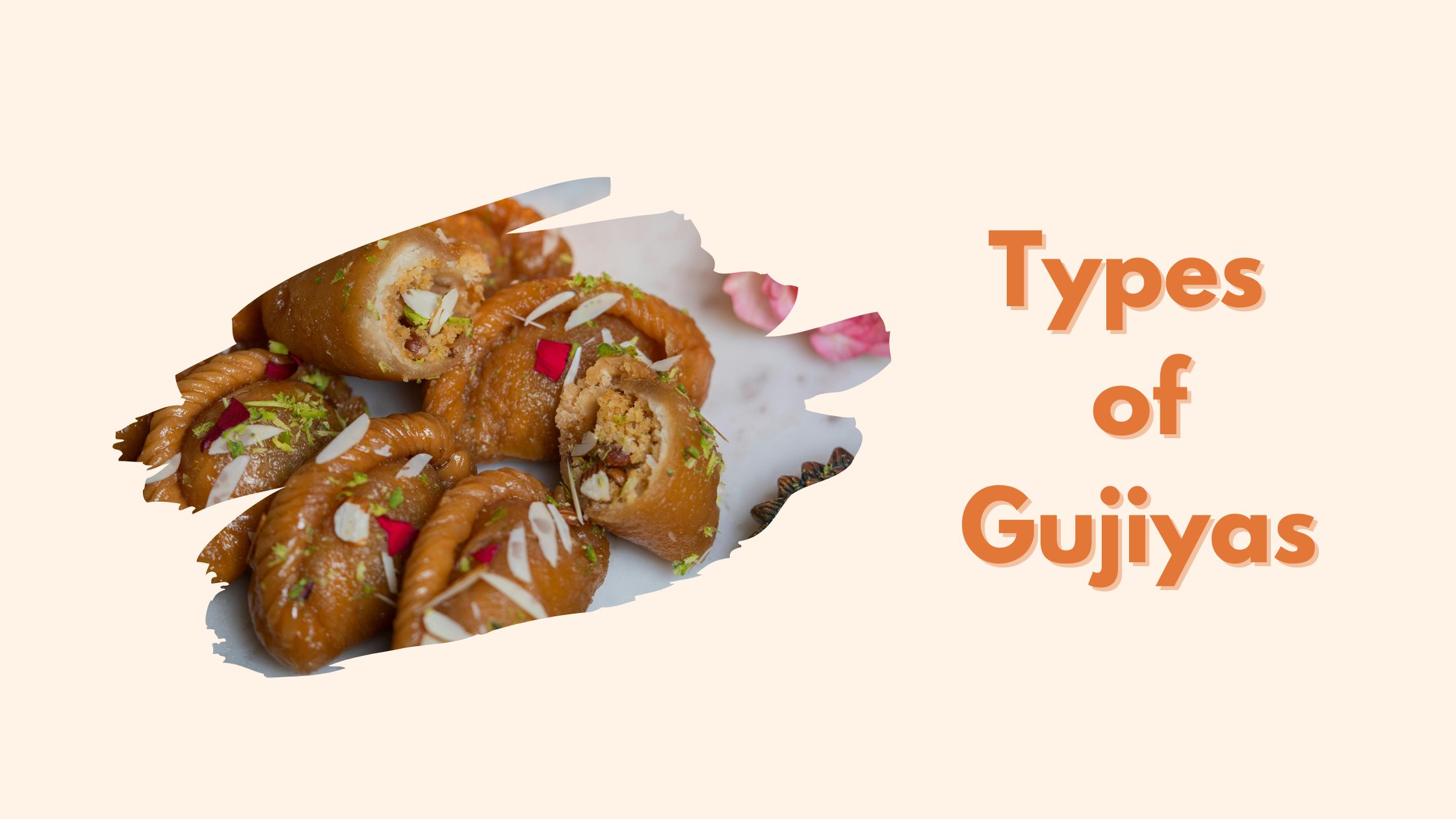
Health Benefits of Gujiya: Understanding Its Variations
Having an understanding of what we put into our bodies is crucial for maintaining a healthy lifestyle. It’s not just about empowering us to make better choices but also about helping us maintain the right balance of nutrients that fuel our bodies. To fully appreciate the health benefits of Gujiya, it’s important to first examine its calorie content and overall nutritional profile. So, before diving into the benefits, it’s essential to explore the different types of Gujiya to break down their caloric values.
In Indian households, you can find dozens of variations of Gujiya based on different regions, tastes, and cultural preferences. However, we will focus on the four major and most popular ones:
| Sugar-Dipped Gujiya | This is a common type of Gujiya that you’ll find in sweet shops. It is dipped in sugar syrup after being made and has a higher sugar content than any other type of Gujiya. |
| Baked Gujiya | This version has recently come into the limelight, especially after chefs on YouTube started posting about it. Baked Gujiya is not deep-fried, which makes it a great option for those on a diet, as it is lighter in calories. |
| Dry Fruit Gujiya (Mawa Gujiya) | Mawa Gujiya is the “classic” and timeless Gujiya of Indian households. It is filled with mixed dry fruits and milk solids, making it rich in nutrients and a good choice for a healthier indulgence. |
| Whole-wheat Gujiya | The outer layer of this Gujiya is made with whole wheat instead of refined flour, which makes it a more nutritious option, especially if you’re watching your diet. |
Apart from these, you can also find several other variations of Gujiya. Some of them include Bhang Gujiya, Apple Gujiya, Coconut Gujiya, and more, a story by the Times of India (TOI) has already covered them. Now that we’ve explored the different types of Gujiya, let’s explore the health benefits of Gujiya.

The Caloric Effect of Gujiyas
Gujiyas, no matter the kind, are absolutely heavenly in taste but also quite high in calories. If you’re wondering how many calories are in a Gujiya, let this article spill the beans for you. An average Gujiya made in an Indian household can range anywhere from 250 to 400 calories. This number can vary depending on its type, the ingredients used, and its size. The calories in Gujiya primarily come from sugar or jaggery, ghee, flour, milk solids (khoya), and the oil used for frying.
According to an article on Onlymyhealth, here’s a breakdown of the calories in Gujiya:
- Fat: 16.74 grams
- Carbohydrates: 69.19 grams
- Protein: 4.58 grams
So, in simple terms, when you’re consuming one Gujiya, you’re having a snack with 62% carbohydrates, around 34% fat, and just about 4% protein.
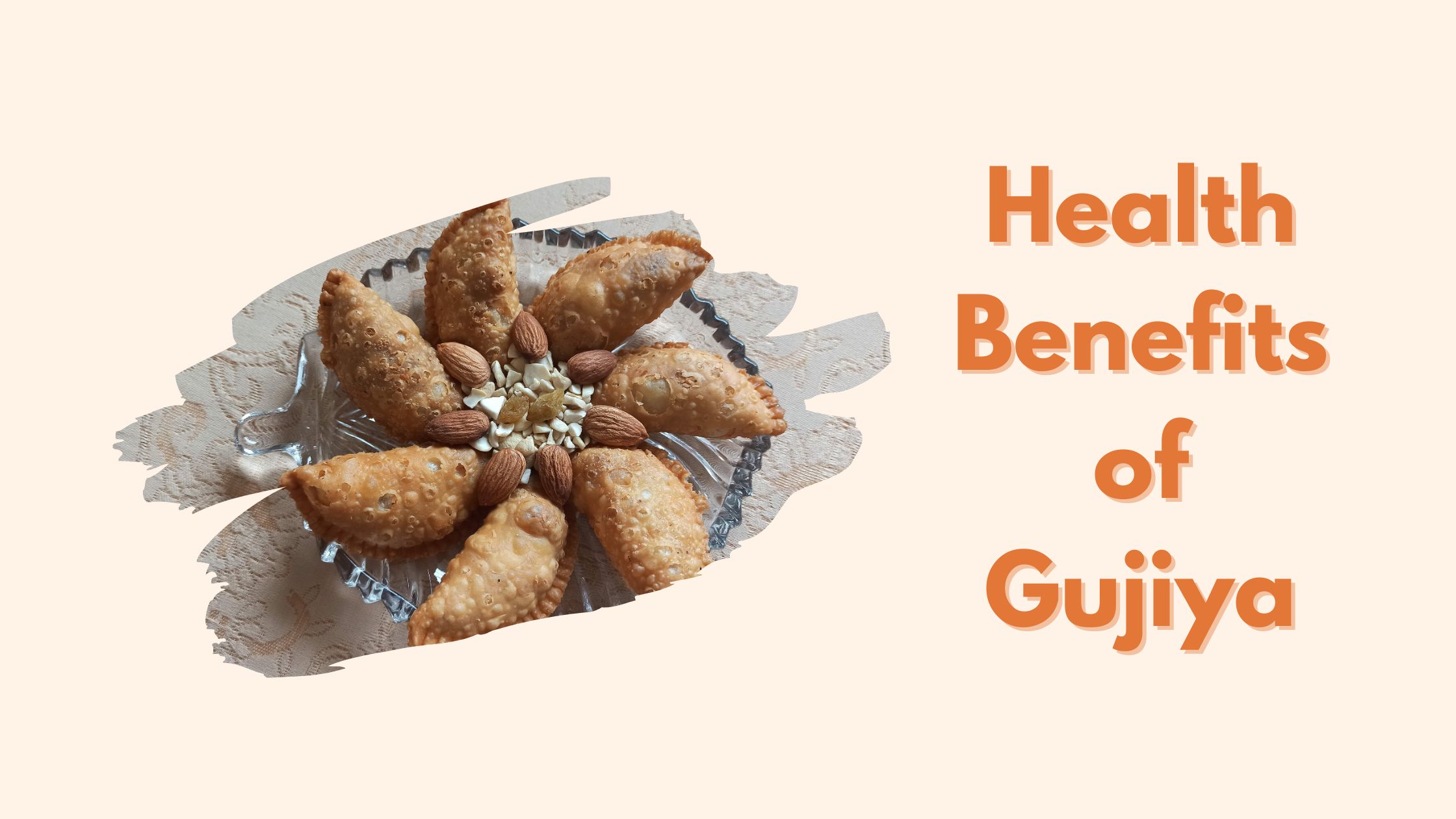
Perks and Health Benefits of Gujiya
Let’s be honest; we never thought that this Holi treat could actually be good for our bodies if consumed in the right way. Well, the truth is simple: The ingredients used in Gujiyas make it a healthy treat, but again, knowing the balance is important. We’ve all heard that excess of anything can be bad, and the same goes for Gujiyas. Ingredients such as dry fruits and milk solids are the backbone of Gujiya, making it not just a dessert but also a guilt-free snack.
Here’s a breakdown of the health benefits of Gujiya that you can avail:
Healthy Fats for Your Body
Dry fruits like walnuts and almonds genuinely are good for you. Harvard Health notes they’re rich in unsaturated fats, protein, fibre, and vitamin E, and walnuts specifically contain ALA, a plant-based omega-3. Here’s the honest caveat though. A single Gujiya only contains a small amount of these nuts, nowhere near the amount used in the actual research. That’s roughly an ounce, or a small handful, eaten on its own. So the benefit is real, just don’t expect a fried pastry to deliver what a handful of almonds would.
Pro tip: Just make sure the Gujiyas you eat are rich in dry fruits and feel free to adjust the number of different nuts according to your preference.
Provides You With Energy
The sugar or jaggery used in Gujiya to make it sweet acts as a quick energy source for your body. If you’re feeling exhausted or just need a treat to boost your energy, you can definitely go for one or two Gujiyas. Furthermore, other nutrients like fats and protein provide slow-releasing energy, helping you maintain your energy levels without crashing.
Pro tip: Replace regular sugar or sugar syrup with jaggery or honey when making Gujiyas to avoid an early energy crash.
Can Be Beneficial While Bulking
Worth being precise here: calorie-dense isn’t the same as good for building muscle. If you’re genuinely struggling to hit your daily calorie target while bulking, a Gujiya can help close that gap in a pinch. But your actual gains come from protein and consistent training, not from any specific food being calorie-dense. Don’t mistake this for a genuine bulking strategy, it’s just a way to eat enough on a day when you’re falling short.
Pro tip: If you’re using Gujiya to hit a calorie target, pair it with a protein source elsewhere in your day; the calories alone won’t build muscle on their own.
Packed with Minerals and Vitamins
Gujiyas, especially mawa gujiya, are packed with many vitamins and minerals, such as Vitamin E, Vitamin A, iron, calcium, and more. These vitamins and minerals help benefit your eyes and skin and provide anti-inflammatory properties in your body while protecting your cells from damage. The key ingredients responsible for these health benefits are nuts, milk solids, and ghee.
Pro tip: Opt for mawa gujiya instead of other types, and consider adding different nuts like pistachios, almonds, and walnuts to increase the amount of these nutrients.
Enhances Bone Health
The milk solids (khoya) and ghee present in your Gujiyas are generally high in calcium, which is great for your bones. As we all know, dairy products are known for their ability to promote healthy and strong bones. These nutrients can help prevent bone-damaging conditions like osteoporosis. Furthermore, the magnesium present in the nuts aids in calcium absorption, promoting better bone health.
Pro tip: Make sure to add a good amount of khoya and fry it in ghee for enhanced calcium benefits. You can also add more nuts and seeds, like chia seeds or flaxseeds, for improved bone health, as they are rich in calcium and magnesium.
That’s the honest picture: real nutrients from the dry fruits and khoya, wrapped in a dessert that’s still mostly sugar and fried dough by weight. Moderation isn’t a throwaway line here, it’s the actual point. Enjoy Gujiya as a treat, not as something to eat because it’s “healthy.”
Also Read: Raksha Bandhan Sweets: 7 Things to Check Before Buying

Wrapping Up With Bonus Tips!
There’s no better time to eat Gujiyas than now, as the festival of colors, Holi, is around the corner. When enjoyed occasionally, Gujiya isn’t something to feel guilty about either. The dry fruits and khoya inside do contribute real nutrients, healthy fats and some calcium, even if the dessert as a whole isn’t a healthy food. The quality of what goes into it, real dry fruits, real khoya, genuinely does matter.
If you’re diabetic or following a no-sugar diet, it’s best to avoid Gujiya, as calories in gujiya may disrupt your health or interfere with your dietary goals. However, if you have no such restrictions, remember that the next time you reach for this festive sweet, you can indulge without guilt, knowing that the health benefits of Gujiya go beyond its delicious taste. Enjoy it as part of a balanced lifestyle, and experiment with healthier variations to maximize its benefits.
Frequently Asked Questions
Neither, exactly. It genuinely contains beneficial ingredients like dry fruits and khoya, but it’s still a deep-fried, sugar-heavy dessert overall. It’s not a health food, but it’s also not something to feel guilty about in moderation.
Typically 250 to 400 calories, depending on the type, size, and ingredients used. Mawa (khoya) Gujiya tends to run higher due to the milk solids and ghee.
Yes, meaningfully so, since it skips the deep-frying oil entirely. It won’t taste identical, but it’s a real way to cut calories if you’re eating Gujiya regularly during the festival season.
It’s best avoided or eaten in very small amounts with medical guidance, since Gujiya is high in sugar and refined carbohydrates. Talk to a doctor or dietitian about what fits your specific situation.
Not really. It’s calorie-dense but low in protein, which is what your body actually needs after training. A protein-forward snack will serve your recovery better than Gujiya will.
