

If you’ve been hitting the gym lately, putting in the hard work, managing stress, and taking rest, but still not losing weight, you might be missing one key macronutrient: Protein.
Protein is one of the body’s most essential nutrients. It is the building block of our cells, which also helps with repairing and rebuilding the body after all the stress you put it through.
When it comes to fat loss or weight loss, many people think cutting out carbohydrates or bad fats is the answer. The truth is different. Protein is the most crucial nutrient your body needs if you want to stay lean and lose fat.
We often talk about the role of protein in fat loss, but what about the role of protein powder for weight loss? Which protein powder works best? And is it possible to make homemade protein powder? Let’s talk about it in detail.
Note: This post by TheFitInside is for informational purposes only and is not meant as a substitute for a study, diagnosis, or treatment. Always consult a qualified healthcare provider before making changes to your diet, exercise, or supplement routine.
Benefits of Protein for Fat Loss
Before jumping straight into the details of protein powder for fat loss, let’s first break down the role of protein itself and how it actually supports weight loss:
- Better Body Composition: Protein supports fat loss while preserving lean muscle, so instead of just losing “scale weight,” you actually build a stronger, more defined physique.
- Satiety: Meals higher in protein keep hunger at bay for longer, making it easier to avoid unnecessary snacking. This is one of the more consistently replicated findings in nutrition research, a systematic review found convincing evidence that higher protein intake increases satiety compared to lower protein diets.
- Thermic Effect: Protein takes more energy to digest than carbs or fats, so your body burns extra calories just processing it. The same review found this effect consistently across studies comparing high-protein and high-carbohydrate meals.
- Muscle Maintenance: In a calorie deficit, your body risks breaking down muscle for fuel. Protein helps protect that lean mass so your metabolism stays strong. This matters just as much during any forced break from training, not only dieting, maintaining protein intake while recovering from an injury works on the same principle.
- Improved Recovery: Consistent training demands recovery. Adequate protein speeds up muscle repair so you can perform well in your next session without constant fatigue.
- Blood Sugar Response: Protein has a real, measurable effect on blood sugar after a meal, since it triggers insulin release that helps clear glucose. Its long-term effect on insulin sensitivity is less settled, though, research reviews show mixed results depending on how much protein and over what timeframe. This is worth discussing with a doctor if you have diabetes or prediabetes specifically.
Related: Best Dietary Supplements for Men!
How Protein Powder Helps in Weight Loss
Protein powders don’t work like magic, but they’re one of the most effective tools to help you stay on track with your daily protein needs. Using protein powder for weight loss can make hitting your goals much easier. Here’s why they’re so useful:
- Convenience: Whether you’re too tired to cook, rushing out the door, or catching a flight, protein powder makes it effortless to hit your protein intake. Quick to prepare, easy to carry, and available anytime, anywhere.
- Measured Portion: Each scoop gives you a set amount of protein (usually around 20–25g depending on the brand), making it easy to track and manage your intake.
- Low in Calories: Most protein powders are high in protein but low in carbs and fats, so you can increase protein without piling on unnecessary calories.
- Supports Fat Loss Goals: Protein powder helps keep hunger in check, curbs cravings, and supports lean muscle growth, all of which are essential when you’re cutting fat.
- Great Taste: From chocolate and vanilla to cookies & cream and mango, protein powders come in flavours that actually make sticking to your nutrition plan enjoyable.
- Versatility: Beyond shakes, you can add protein powder to smoothies, oats, pancakes, yogurt, or even baked recipes to boost protein content without much effort.
According to the study ‘Clinical Evidence and Mechanisms of High-Protein Diet-Induced Weight Loss,’ based on clinical trials, high-protein diets can safely reduce fat, preserve muscle, keep you fuller, and boost calorie burn.
Which Protein Powder is the Best
Protein powders come in many types, but not all are the same. Let’s break down the main ones and see what makes each unique:
Whey Protein
Ranked among the fastest-digesting protein sources and packed with all essential amino acids. It comes in three types: Concentrate (some carbs and fats), Isolate (almost pure protein, low in carbs and fats), and Hydrolysate (pre-digested for faster absorption). Perfect post-workout or anytime you need a quick protein boost.
Casein Protein
A slow-digesting dairy protein that releases amino acids gradually. Ideal before bed or during long gaps between meals to prevent muscle breakdown.
Soy Protein
A complete soy-based protein with all essential amino acids. Supports muscle maintenance, recovery, and fat loss, making it a solid option for those avoiding dairy.
Plant Protein
Made from peas, hemp, brown rice, or chia. Vegan-friendly, dairy-free, and easy to digest. Plant protein blends provide a complete amino acid profile.
Protein Blends
Combines multiple protein sources like whey + casein or mixed plant proteins. Offers both fast and slow-digesting protein, making it versatile for any time of day.
Homemade Protein
Made from oats, nuts, seeds, or legumes. Fully customizable, free from additives, and budget-friendly. Supports your daily protein intake and fat loss goals, and the best part? You can make it right at home.
Remember: While picking the protein, choose one that suits your body and fits your lifestyle. But also make sure you hit your daily protein, because that’s what really drives fat loss and muscle support.
Worth Reading: Getting Back to Fitness After an Accident: What Really Helped Me
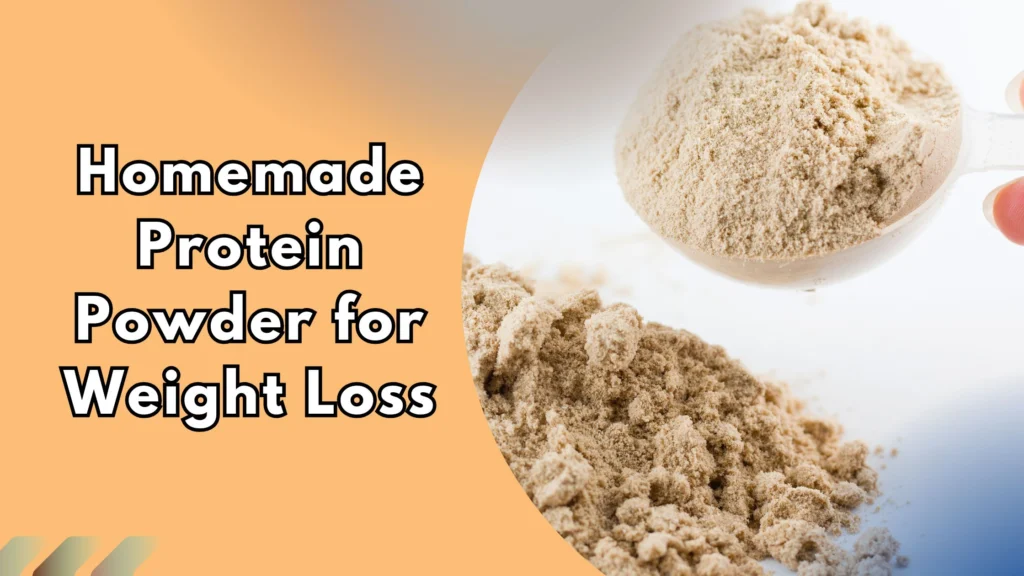
Homemade Protein Powder for Weight Loss
If you’re looking for a protein powder that’s customizable, effective, delicious, and budget-friendly, here’s a homemade protein powder for weight loss recipe that perfectly fits your taste and nutrition goals:
Ingredients for Your Homemade Protein Powder
- 1 cup oats (90g): Complex (slow-digesting carbs), and protein to keep you full
- ½ cup roasted peanuts (70g): plant-based protein and healthy fats
- ½ cup almonds (70g): for protein, healthy fats, and minerals
- ½ cup milk solids (60g): dairy protein, flavor, and creaminess
- ½ cup chickpeas (50g): adds extra protein without excess fat
- 2–3 tbsp jaggery (30g): for natural sweetness
- 2 tbsp cocoa powder (10g): for flavor and antioxidants
How to Make and Use Your Homemade Protein Powder
- Lightly roast the oats, peanuts, almonds, chickpeas, and gram flour (if using) for extra flavor.
- Let all the ingredients cool completely to prevent moisture buildup.
- Blend everything into a fine, uniform powder using a high-speed blender or food processor.
- Store the powder in an airtight container in a cool, dry place.
- Mix 2–3 tablespoons (about 30–35g) with milk, water, or a smoothie.
- Sprinkle over oatmeal, yogurt, or breakfast bowls for a protein boost.
- Can be used in baking, like protein pancakes or energy bars, to increase protein content naturally.
Quick Tips for Better Results!
Remember, for weight loss, controlling your overall calories and staying active comes first; protein powder for weight loss supports your efforts by helping maintain lean muscle and manage hunger.
Whether from whey, plant sources, or homemade blends, it can aid fat loss, improve recovery, and keep your nutrition on track. Prioritize daily intake, stay consistent, and make it a part of your routine.
Frequently Asked Questions
This depends on your total daily protein target, not the powder specifically. Most healthy adults do well aiming for 0.8 to 1.6 grams of protein per kilogram of body weight per day, and using protein powder to close whatever gap your meals leave. Research on safety suggests intakes up to 2.2 grams per kilogram carry minimal risk for people with normal kidney function, but there’s no benefit to going higher just because protein supports weight loss.
For most people, no, but it depends on the type and the person. Whey-based powders can cause bloating, gas, or diarrhoea in people who are lactose intolerant, and some plant-based powders with added fibre can cause stomach upset in sensitive people. Separately, a 2025 Clean Label Project report tested 134 protein powder products for 130 types of toxins and found heavy metals, including lead, arsenic, cadmium, and mercury, in a meaningful number of them. Choosing a brand that’s third-party tested is a real, worthwhile precaution.
No. Protein powder supports weight loss by helping you feel full and preserving muscle while you’re in a calorie deficit, it doesn’t burn fat on its own. Adding protein powder without paying attention to your overall calorie intake can just add extra calories, which works against you rather than for you.
For most healthy adults, yes, daily use hasn’t been linked to significant harm in people with normal kidney function. The main things worth watching are total protein intake staying within a sensible range, and choosing a product that’s actually tested for contaminants, rather than assuming every brand on the shelf is held to the same standard.
