

Last Updated On: August 8, 2026
A Quick Note: This is general information, not medical advice. If you’re managing a health condition, are pregnant, or take regular medication, check with your doctor before making significant changes to your diet. If you or someone near you shows signs of heat stroke, that’s a medical emergency, not something food fixes.
Indian summers aren’t what they used to be. In May 2026, Sri Ganganagar in Rajasthan touched 45.5 degrees Celsius, and it occasionally captures the title of being hottest places in the world. The India Meteorological Department had already forecast above-normal heatwave days across east, central, and northwest India that season.
What you eat genuinely helps here. India’s National Disaster Management Authority lists specific drinks in its official heat wave advisory, and the Union Health Ministry separately recommends particular fruits. Most are things already sitting in an Indian kitchen. Here are 8 summer foods worth keeping around, several of which appear in that official guidance, and how to actually use them.
Importance Of Healthy Summer Foods This Season!
Summer foods do two useful things at once. Most are mostly water by weight, so they add to your fluid intake without you having to drink another glass of water. They also replace what sweating takes out, mainly potassium and sodium, which plain water alone doesn’t do.
Worth knowing what to avoid too. The NDMA advisory specifically says to skip alcohol, tea, coffee, and carbonated soft drinks during heat waves, and to go easy on high-protein and stale food.
Also Read: Is Protein Powder Good for Weight Loss? Truth, Benefits & DIY Recipe
1. Coconut Water
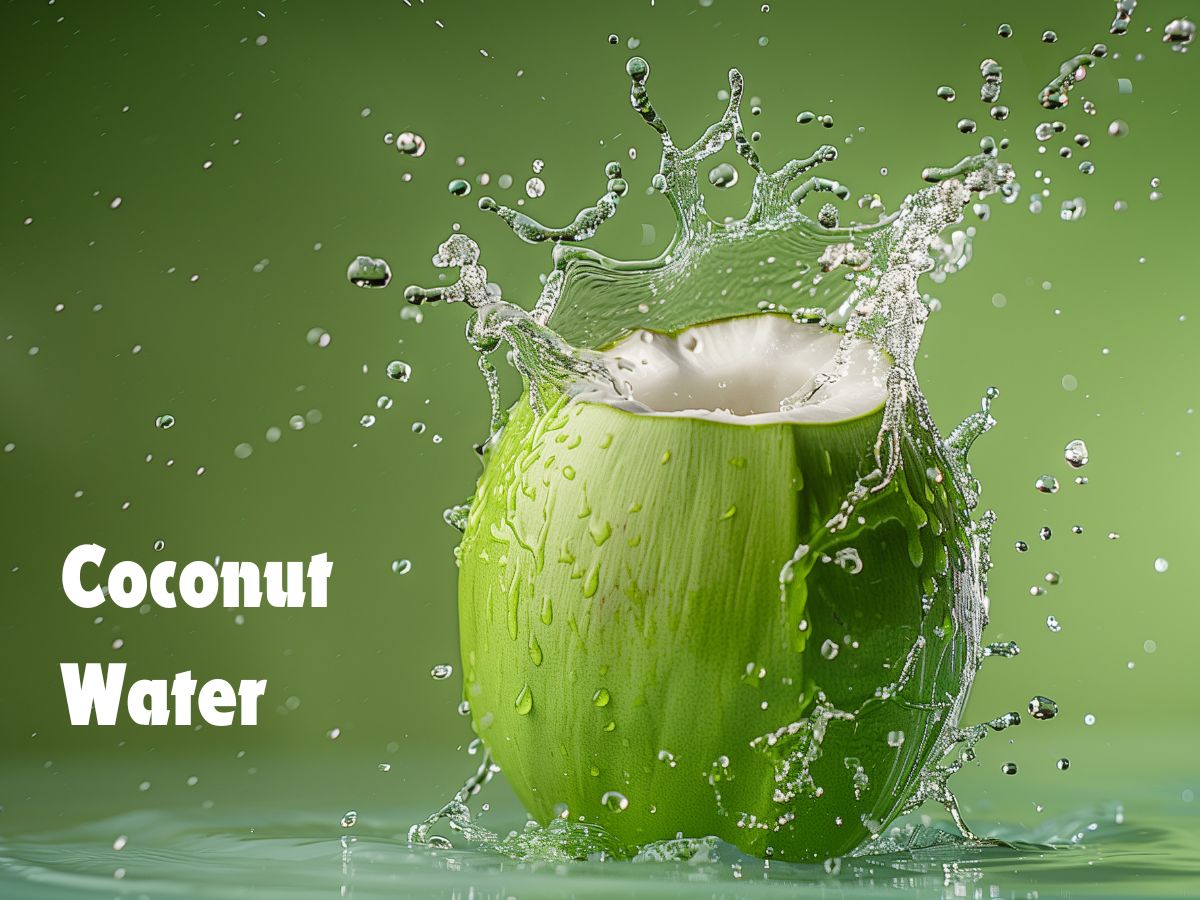
Coconut water appears in the IMD’s heat wave Do’s and Don’ts guidance among the homemade drinks recommended for staying hydrated, alongside ORS, lassi, buttermilk, lemon water, and torani. It’s naturally high in potassium, the electrolyte you lose most in sweat, and low in calories.
One practical caution: buy it fresh from a vendor where you can see it opened, or check the label on packaged versions. A lot of tetra-pack “coconut water” has added sugar, which defeats the point.
2. Curd, Lassi, and Chaas
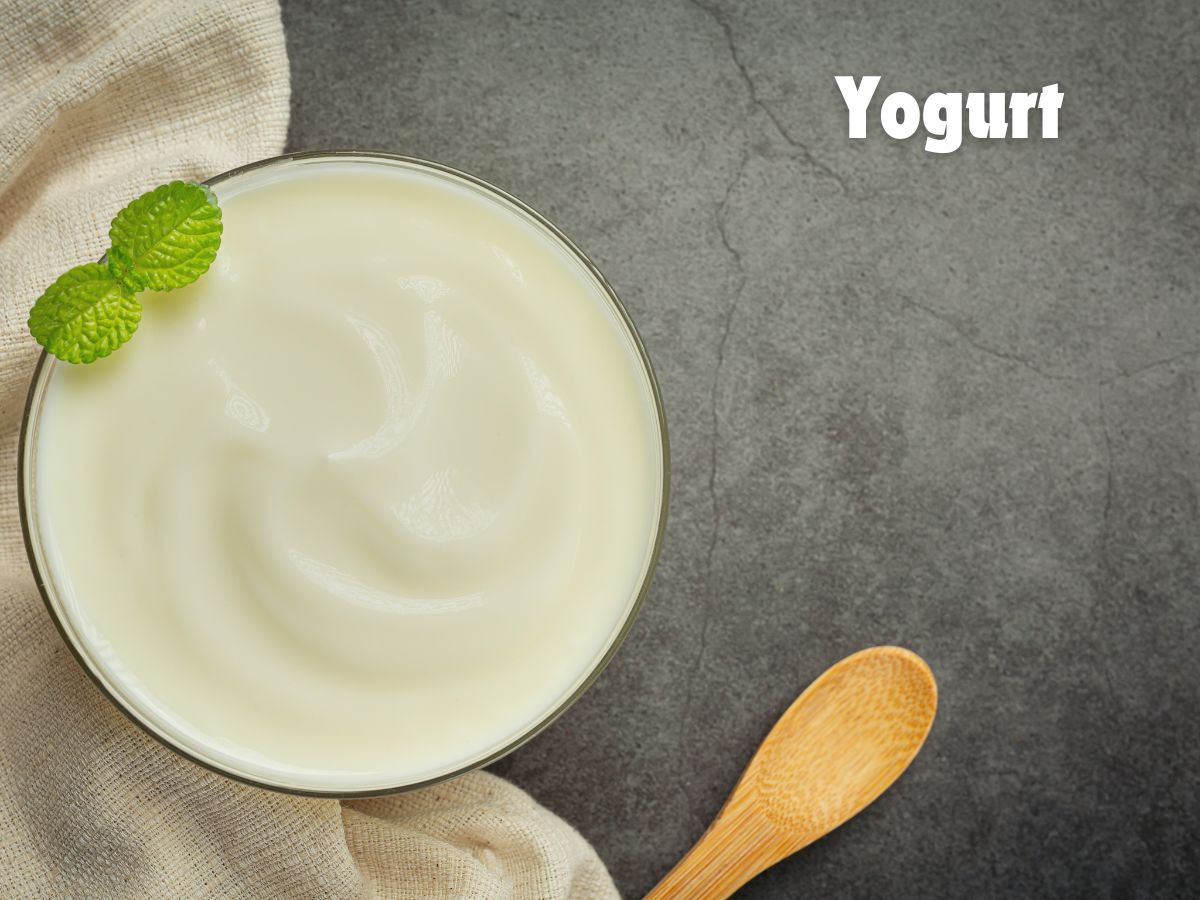
Both lassi and buttermilk appear by name in the NDMA heat wave advisory. Chaas has one advantage over plain curd in summer: it’s diluted and lightly salted, so it replaces sodium as well as fluid.
Curd itself brings protein, calcium, and live cultures. A bowl with lunch, chaas in the afternoon, or curd stirred into rice are all easy ways to work it in without thinking about it. If you want more on how fermented foods work, I’ve written about that in “How Fermented Foods Boost Immunity? The Indian Gut Health Connection” article.
3. Watermelon
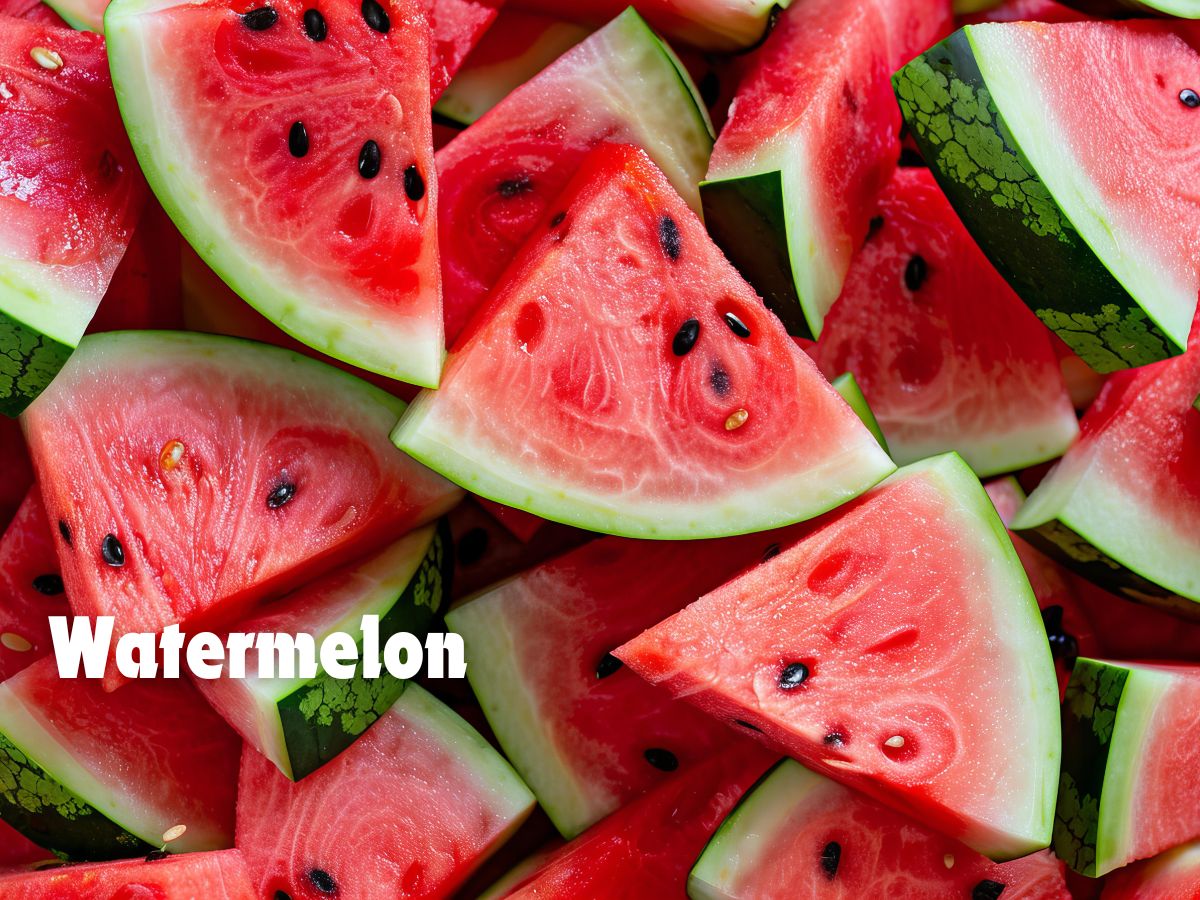
Watermelon is around 91% water, according to USDA data, which is about as hydrating as food gets. It’s also on the Union Health Ministry’s list of fruits recommended during heat waves, along with cucumber, lemon, and orange.
Watermelon is rich in nutrients that have numerous health benefits like keeping your heart healthy, lessening muscle soreness, boosting digestion, and making your skin glowy. So next time you’re at the market, add this one to your cart. Eat it as is, blend it, or throw it into a salad, whatever suits you best.
4. Berries
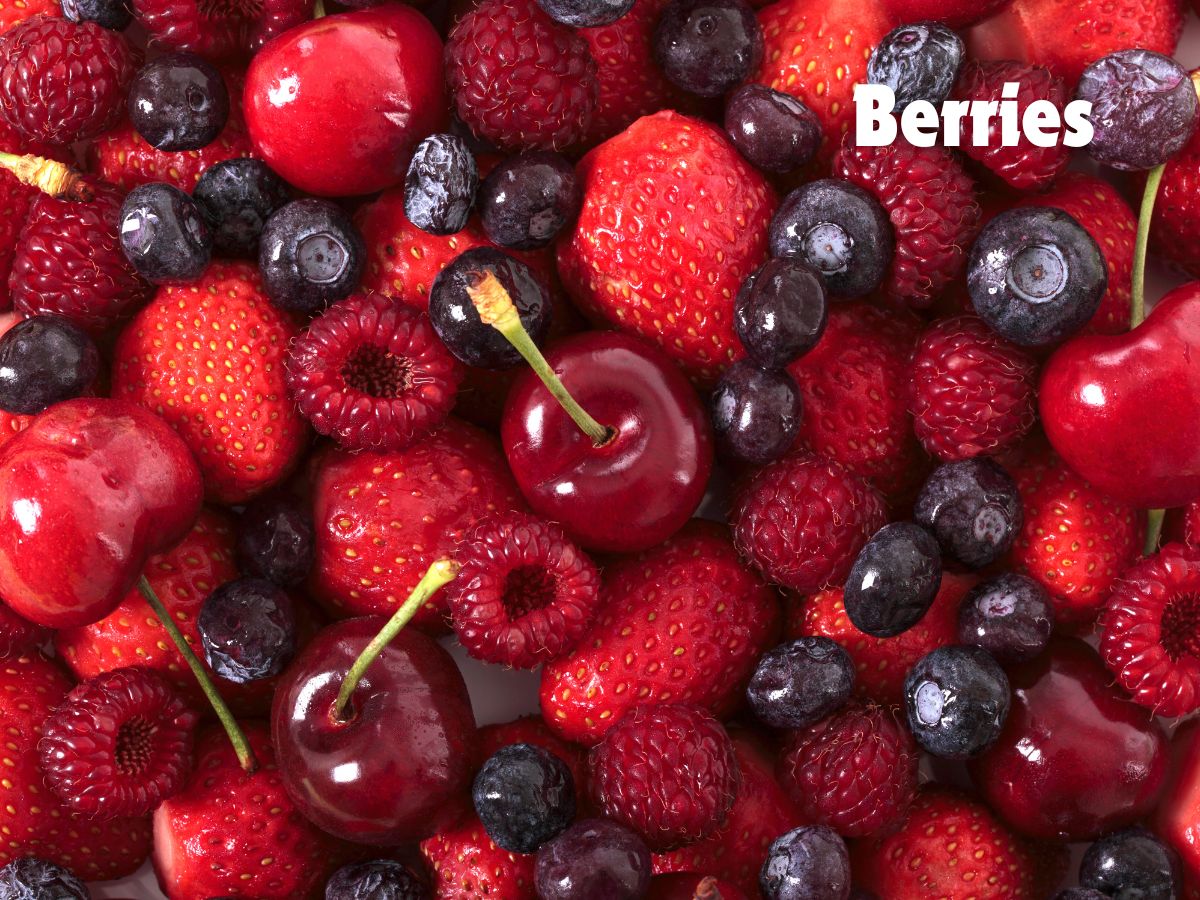
Picture having a sunny day and someone serving you a jar of smoothies filled with lots of berries. Feels like heaven right? That’s exactly what eating berries feel like. Berries are on the list of healthy summer foods since they have a high water content other than being one of the leading summer nourishments for skin amid summer.
Worth being realistic about cost and availability in India, though. Imported blueberries and strawberries are expensive and seasonal here. Jamun is the genuinely Indian summer alternative. It does a similar job at a fraction of the price, and it shows up in markets exactly when you need it.
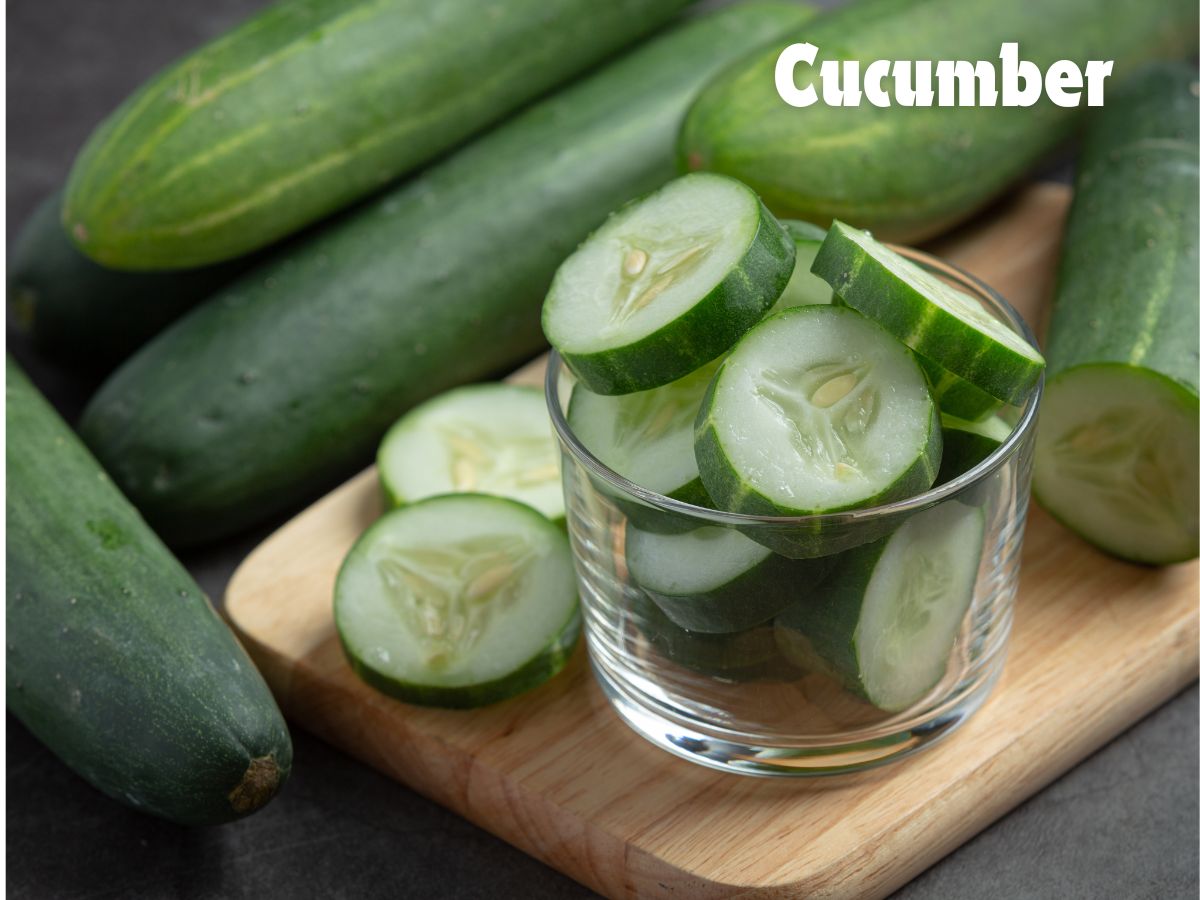
5. Cucumber
A favorite snacking option, especially if you are a salad person, cucumbers are well-known for their nutrient-rich profile. Cucumbers are low in calories, and they contain magnesium, potassium, electrolytes, and lots of vitamins like vitamin K and vitamin C. They have no fat and no sodium, and such qualities make cucumbers a perfect choice for salads, as well as a crunchy treat for your tastebuds.
Cucumber is among the highest-water foods you can eat, and it’s named directly in the Health Ministry’s heat wave advisory. Kachumber, or cucumber in curd as raita, are the two easiest ways to eat it daily.
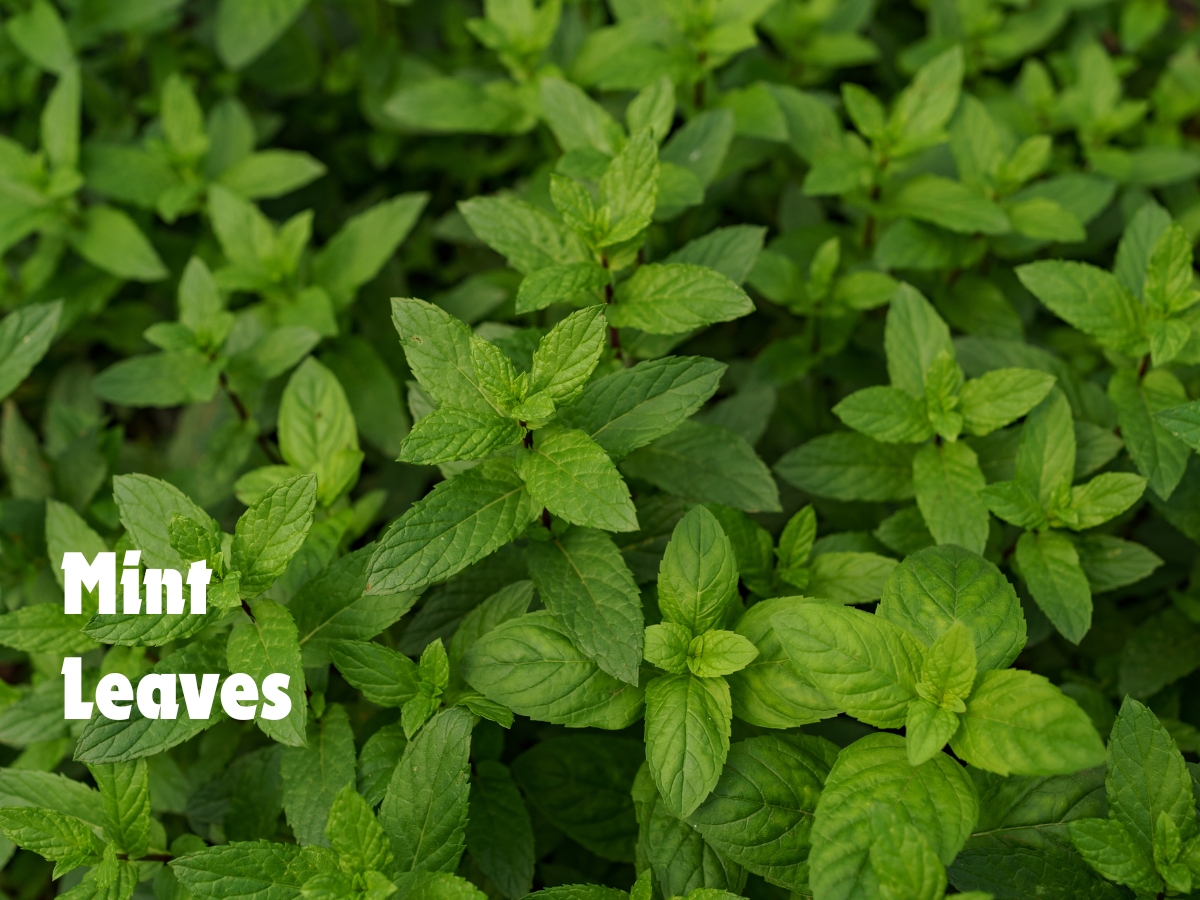
6. Mint
Known for its cooling effects, mint is a perfect herb that contains the properties to promote a cooling effect in the body. It has plenty of health benefits, and its qualities can help digestion while promoting a cooling and soothing effect. One can add mint leaves to their juices or lemonades.
In practice, pudina works hardest in Indian kitchens as chutney, in chaas, or in nimbu paani. One honest note: mint’s cooling effect is largely a sensation rather than an actual drop in body temperature. It makes drinks feel more refreshing, which genuinely helps you drink more of them. It isn’t cooling you from the inside the way people often assume.
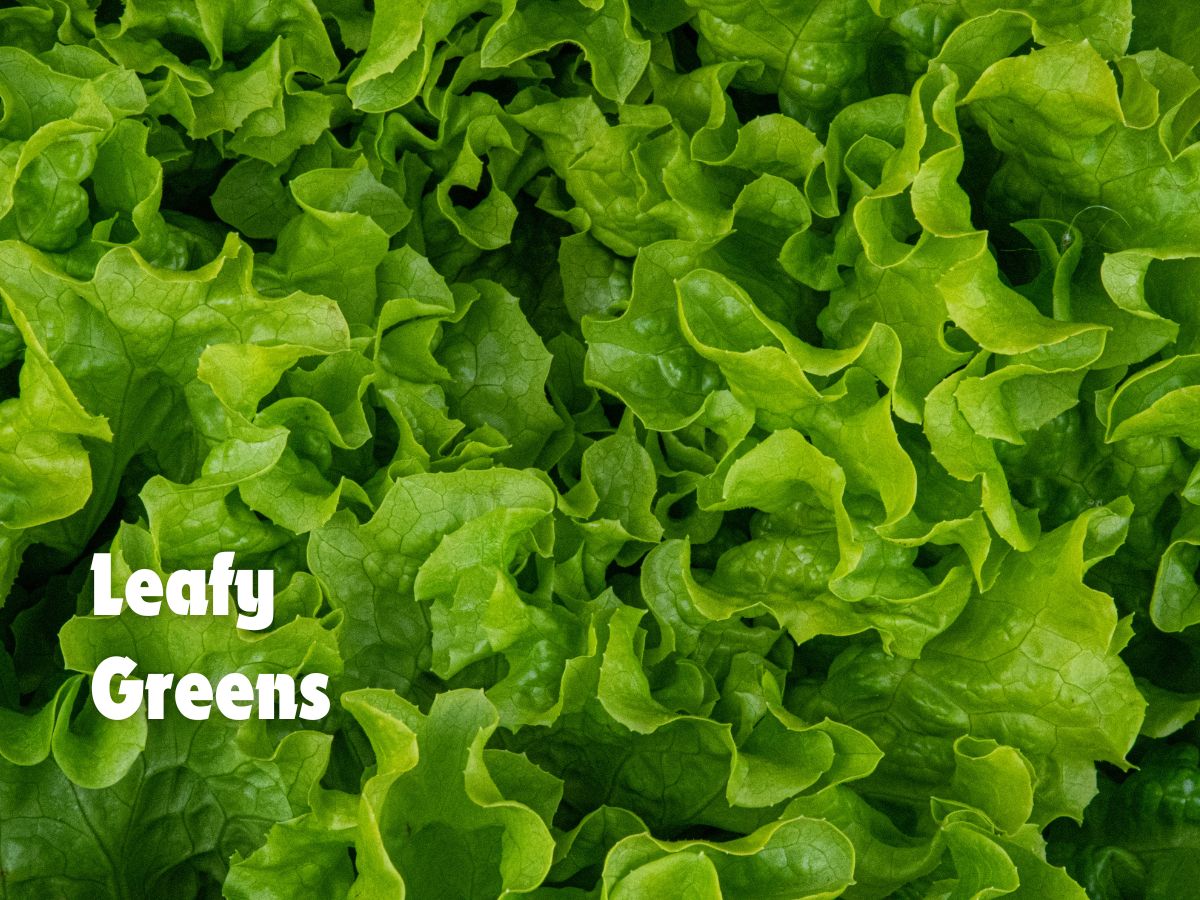
7. Leafy Greens
Mcdonald’s may not sell lettuce and spinach and that may not sound as exotic as a burger does it? But hear me out. They’re also loaded with essential vitamins, minerals, and antioxidants that fight inflammation and keep your body functioning at its peak. Leafy greens are also very high in water, which makes them genuinely useful in summer.
In Indian kitchens, palak and amaranth (chaulai) are the practical picks. Keep the cooking light, a quick sabzi or a raw salad, since long cooking on a hot stove defeats the purpose on a 45-degree afternoon.
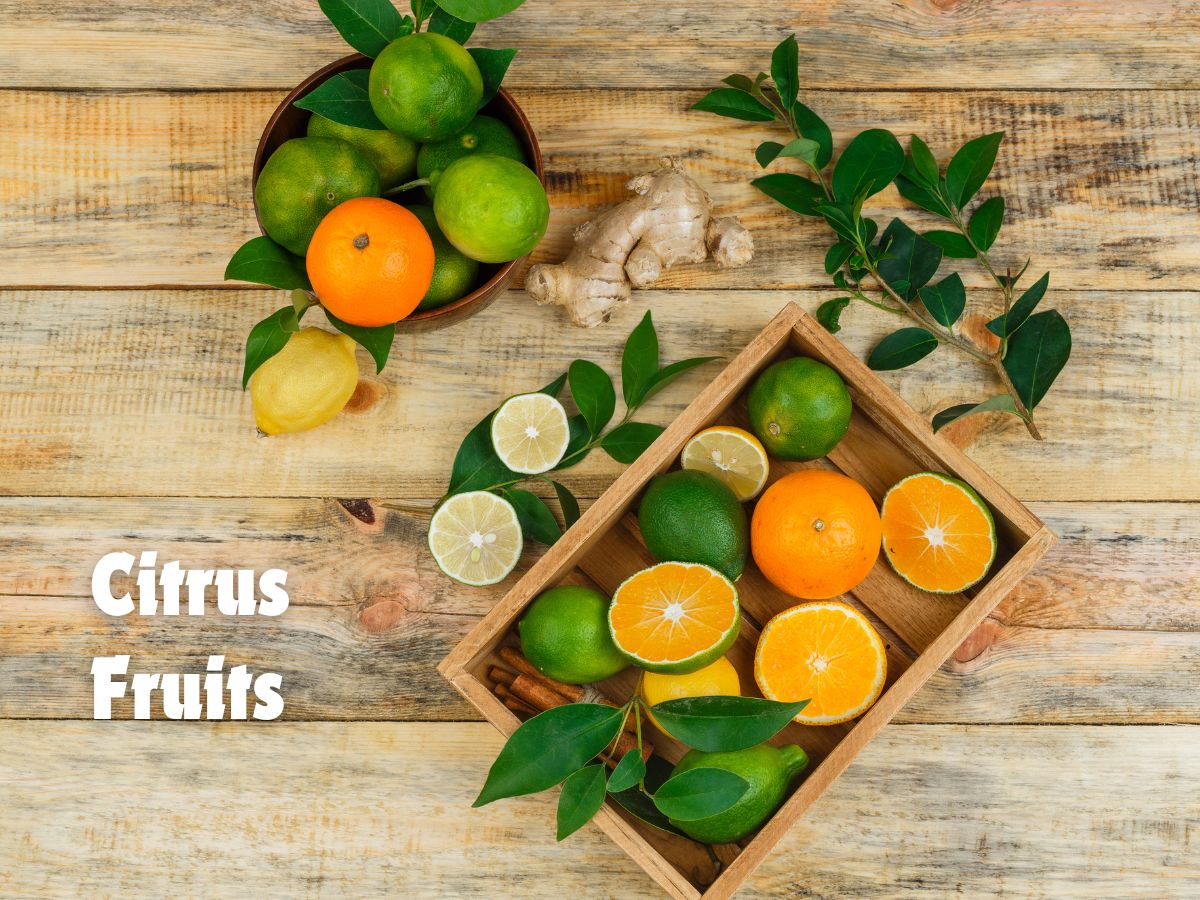
8. Citrus Fruits
There are vast varieties of citrus fruits that are good for human consumption during the summer; some of them include Lemons, Grapefruits, and Oranges. Lemon water gets a specific mention in the NDMA advisory. Nimbu paani with a pinch of salt beats plain water here, because it puts back some of the sodium you lose sweating. For these reasons, they are on the list of the best summer foods for skin.
Some of the fruits like oranges, lemons, limes, and grapefruits are well known to contain a high level of water content which helps to bring down the body heat making them have a soothing effect on the body.
Also Read: Stay Hydrated This Karwa Chauth: Smart Pre-Fast Hacks for Women
To Sum Up!
None of this is complicated, and that’s the point. Most of what India’s own heat advisory recommends is already in an average Indian kitchen: curd, lemons, mint, cucumber, coconut water.
The habit matters more than the specific food. Chaas in the afternoon, kachumber with lunch, nimbu paani instead of a cold drink. Small swaps you’ll actually keep up through May beat an elaborate plan you abandon in a week.
One more thing worth saying plainly: food helps, but it isn’t protection against serious heat. If you work outdoors or care for elderly family members, the rest of the NDMA advisory matters more than anything on this list. That means staying out of the sun between noon and 3pm, light cotton clothing, and frequent water breaks.
Good individual foods matter, but they only get you so far without a full day’s plan behind them. My free Indian diet calorie calculator turns your actual stats into a genuine daily target and meal plan, not just a list.
Frequently Asked Questions
1. Which foods cool the body down fastest in summer?
Foods with very high water content work quickest, and watermelon is 91% water by USDA data. Drinks like chaas, coconut water, and nimbu paani with a pinch of salt help faster still, since they replace both fluid and the sodium lost in sweat.
2. What does India’s official heat wave advisory recommend eating?
The NDMA advises ORS along with homemade drinks like lassi, buttermilk, torani (rice water), and lemon water. IMD guidance also includes coconut water. The Union Health Ministry separately recommends fruits with high water content such as watermelon, cucumber, lemon, and orange.
3. What should you avoid eating during a heat wave?
The NDMA advisory says to avoid alcohol, tea, coffee, and carbonated soft drinks, all of which work against hydration. It also advises against high-protein meals and stale food during peak heat.
4. Is coconut water better than plain water in summer?
For ordinary daily hydration, plain water is fine and cheaper. Coconut water helps more when you’ve been sweating heavily, because it supplies potassium that water alone doesn’t. Check labels on packaged versions, since many have added sugar.
5. Can eating cooling foods prevent heat stroke?
No. Good hydration and sensible eating reduce your risk, but heat stroke is a medical emergency. If someone has a very high body temperature, confusion, or stops sweating, get medical help immediately rather than treating it with food or drink.
