

Your skin feels tight after a hot winter shower, and most of the time, you blame the weather. The hot shower and skin barrier link deserves a second look, because the shower is the one part of your winter routine you fully control.
Your skin barrier is the outermost layer of your skin, called the stratum corneum. According to Columbia University Irving Medical Center, it retains water and helps protect against infection. Think of it as a thin wall that keeps moisture in and irritants out.
Why does winter make skin drier?
Columbia’s winter skin guide says cold weather and low humidity, indoors and out, deplete skin of its natural oils. With fewer oils, your barrier holds water less well, and the skin feels tight and dry.
Hot water adds to that loss, because it can wash those same oils away. For this guide to skin barrier care in winter, I stuck to two sources: Columbia’s guide and the American Academy of Dermatology’s advice for dry skin.
You Might Also Like: How to Protect Your Lungs Before Diwali: What Works
How hot should a shower be in winter?
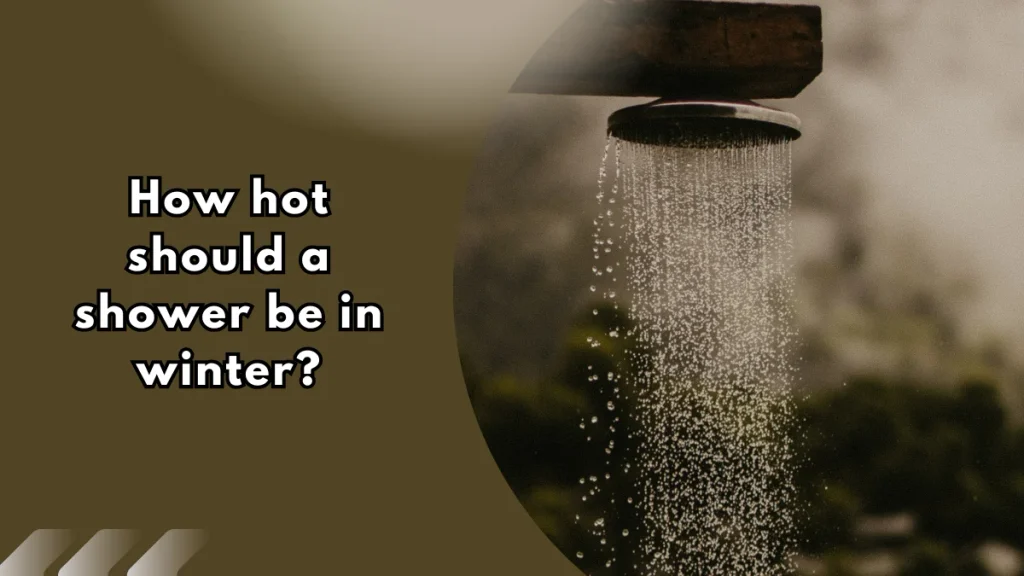
The AAD’s advice on water temperature is one word: warm. Columbia’s guide goes a step further and says lukewarm water is best, since hot water can strip the natural oils your barrier relies on. That is the short answer on hot water and your skin barrier.
Neither source gives an exact temperature, so I will not invent one. Here is a simple check instead. If your skin looks red or feels tight right after the shower, the water was probably too hot for you. It is a rule of thumb, not a medical test.
How long should a winter shower be?
The AAD says to keep baths and showers to five to ten minutes. That is shorter than most of us stay under a geyser when the air outside is cold.
It also suggests shutting the bathroom door, which helps your skin hydrate. A shorter shower is the easiest fix for the hot shower and skin barrier problem.
Use cleanser only where you need it
Lathering the whole body with soap is a habit, not a need. The AAD recommends a gentle cleanser, just enough to remove dirt and oil, applied only where it matters, such as the armpits and groin.
Less cleanser is part of any sensible hot shower and skin barrier plan. If you regularly experience dry skin after a hot shower, reducing water temperature and using less cleanser may help prevent further dryness. If you shave, do it at the end of the shower.
Also Read: Hair Care Tips That Every Woman Should Know: Healthy Hair Guide
Moisturise while your skin is still damp
This is the step most of us skip. We rub hard with the towel and forget the cream. For skin barrier care in winter, the minutes after the shower do more work than the shower itself.
- Before: Close the bathroom door and keep the water warm, not scalding.
- During: Stay within five to ten minutes, and use cleanser only where you need it.
- After: Pat your skin dry with a clean towel. The AAD notes that rubbing can irritate very dry skin.
- Moisturiser: Apply it while your skin is still damp, and again after washing your hands or whenever it feels dry.
Choose a fragrance-free cream over a lotion
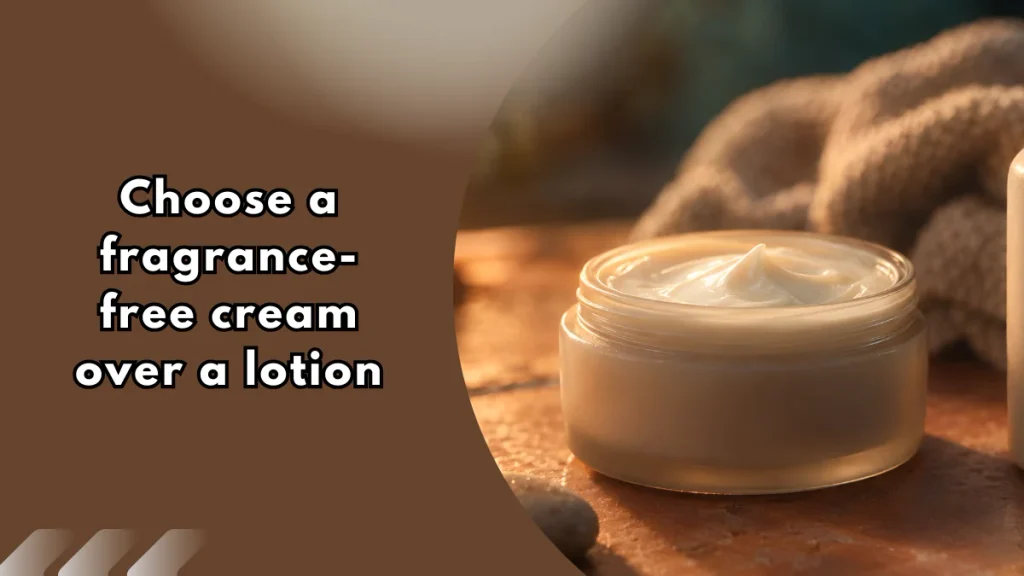
For a winter skin barrier routine, the AAD says creams and ointments add more moisture than lotions. Its list of helpful ingredients includes glycerin, hyaluronic acid, petrolatum and shea butter.
Read the label for the word “fragrance-free”. The AAD points out that “unscented” can still mean the product holds chemicals that mask a smell, and those can bother dry skin.
Its avoid list for a dry-skin moisturiser names alcohol, fragrance and retinoids. That matters for many women, since winter routines often stack a cleanser, a serum and a night cream. If a retinoid is part of yours, ask a dermatologist how to handle it while your skin is dry. Please do not stop or change it on my word.
When dry winter skin needs a dermatologist
A little dryness is normal in winter, but your skin should not sting. Even good skin barrier care in winter has limits. The AAD says that if a product burns, stings or irritates your skin, you should tell your dermatologist.
The same goes for itching that does not settle and cracked skin that keeps coming back. Those need a proper look, not another layer of cream.
A warm shower on a cold morning is one of winter’s small joys, and you should not feel guilty about it. Skin barrier care in winter is about adjusting the habit, not removing it. A shorter shower, gentler water and a cream on damp skin keep that joy and protect your skin. Hot water and your skin barrier can still get along. Be kind to your skin this winter, from all of us at TheFitInside.
Hot shower and skin barrier: QnA
1. Why does winter make skin drier?
Columbia’s guide says cold weather and low humidity, indoors and out, deplete the skin’s natural oils.
2. How long should a winter shower be?
Five to ten minutes, according to the AAD.
3. How hot should a shower be in winter?
Warm, not hot. The AAD gives no exact temperature.
4. When should I moisturise after a shower?
While your skin is still damp, and again whenever it feels dry.
5. Is a cream better than a lotion for dry skin?
Yes. The AAD says creams and ointments are more effective than lotions.
