

Last Updated On: August 8, 2026
A Quick Note: This is general information, not medical advice. Persistent hair fall, a painful or flaking scalp, or sudden changes in hair texture are worth showing to a dermatologist rather than treating at home.
Hair care advice is one of those areas where almost everything gets repeated confidently and almost nothing gets sourced. Oil this, avoid that, wash less, wash more.
So I went looking for what actually holds up. Some of it does, and one of the best-supported findings comes from Indian research on a practice most of us grew up with. Some of it doesn’t hold up nearly as well as the marketing suggests, which I’ll get to as well.
Here’s a practical guide: how to work out your hair type, and habits worth knowing about.
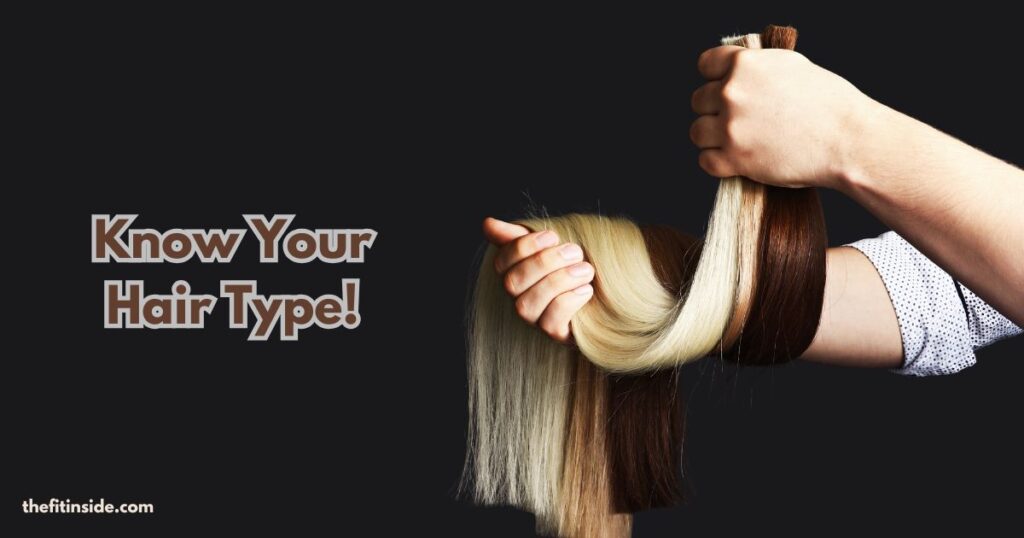
Where To Begin? Know Your Hair First!
Before thinking of having really healthy hair, it helps to identify what type of hair you actually have. A hair care routine depends on your hair type, how thick it is, how porous it is, and how your scalp behaves. Understanding this means you can make more informed decisions about how to care for it. Here are four basic hair textures:
| Straight Hair | Smooth and shiny, often prone to oiliness |
| Curly Hair | Defined curls that can vary in tightness and volume |
| Coily Hair | Kinky or tightly coiled hair that is usually very voluminous and prone to drying out |
| Wavy Hair | A mix between straight and curly, with loose waves |
#Tip 1: Washing Frequency Depends On Your Scalp, Not A Rule
There’s no universal number here, and anyone who gives you one is guessing. How often you should wash depends on how much oil your scalp produces, your hair type, how much you sweat, and the climate you live in.
The rough logic: an oily scalp or dandruff usually does better with more frequent washing, since the issue sits at the scalp. Dry, damaged, or chemically treated lengths usually do better with less, because every wash strips some oil from hair that doesn’t have much to spare. Oily roots with dry ends is extremely common. In that case, wash more often, but concentrate shampoo at the roots and conditioner on the lengths.
See a dermatologist if you have scalp problems like persistent itching, scaly skin, dandruff, or seborrheic dermatitis. Go too if you simply can’t work out your hair type. It helps identify the actual issue rather than guessing at it.
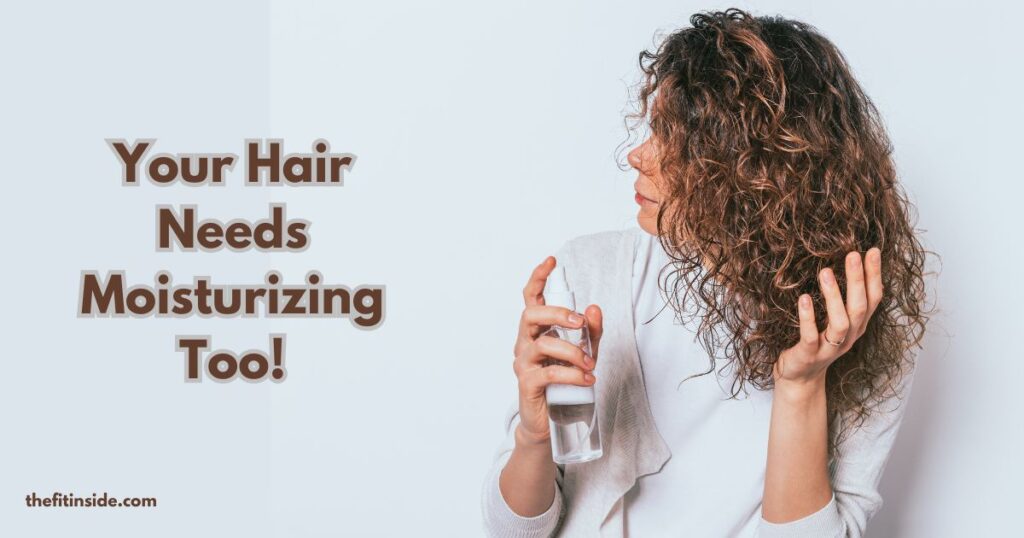
#Tip 2: Your Hair Needs Moisturizing Too!
Regular conditioner refreshes your hair briefly. To keep it properly moisturised, a deep conditioning treatment does more. Think of it as a longer, more thorough version of the same thing.
A few reasons deep conditioning is worth the extra time:
- Conditioners that are deep, are packed with a bunch of oils, butter, and humectants. It penetrates deep into the hair where it helps to restore moisture to leave your hair feeling softer and smoother.
- Deep conditioning keeps hair manageable during combing and reduces breakage induced while styling.
- Dry hair frizzes more. Keeping it moisturised keeps the cuticle smoother, which means fewer flyaways.
You Might Also Like: Understanding Your Menstrual Cycle!
#Tip 3: Silk For Frizz-free Hair
Cotton pillowcases feel soft but create friction against hair. Moving around in your sleep drags hair across that surface all night, which roughens the cuticle, causes tangles, and can lead to breakage.
Silk pillowcases are smoother and reduce that friction, which helps with frizz and tangling. This works especially well for curly hair or hair that dries out easily.
If silk isn’t practical, a satin pillowcase does much the same job for less, and loosely plaiting your hair before bed reduces the tangling either way.
Also Read: 6 Ayurvedic Superfoods to Relieve Menstrual Cramps Naturally
#Tip 4: Oiling Your Hair Has Real Evidence Behind It
Oiling works, just not the way most people think. A 2022 review in the International Journal of Trichology by Bengaluru dermatologists looked at the oils we actually use here, coconut, amla, almond, sesame, mustard and more. Coconut oil had the strongest case. It gets inside the hair strand and cuts protein loss, which means less breakage. Almond oil can’t get inside at all, so it softens hair but does nothing for strength.
The same doctors were clear about the rest of it. Evidence on hair oils is thin, and a lot of the claims you see are not backed by proper studies. Oiling protects the hair you have. It won’t stop hair fall coming from the root, and no oil has been shown to.
Oil the lengths and ends, not the scalp. Do it before you wash, not after, and leave it on for at least half an hour. If your scalp is oily or flaky, keep the oil away from the roots.
#Tip 5: Hard Water, And What It Actually Does
If you’ve moved cities within India and your hair changed for no obvious reason, water is a fair suspect. Much of India relies on groundwater, and hardness levels in many northern and western cities run well above what’s considered soft.
Here’s where I want to be careful, because this topic is heavily marketed too. An Indian study published in the International Journal of Trichology tested exactly this, using shed hair strands collected from volunteers. It found no significant difference in tensile strength or elasticity between hair treated with hard water and hair treated with distilled water. Hair washed in hard water over 30 days did end up measurably thinner, with calcium deposits visible on the shaft.
So the honest reading: hard water leaves mineral deposits that make hair feel rough, look dull, and tangle more, and that buildup can worsen breakage. What the evidence does not show is hard water weakening hair at a structural level, or causing genuine hair loss from the follicle. Plenty of pages selling shower filters cite this same study as proof that hard water reduces hair strength, which is the opposite of what it found.
If your water is hard, a clarifying or chelating shampoo used occasionally removes mineral buildup. A final rinse with stored or filtered water helps too, and costs nothing.
Also Read: World Alzheimer’s Day: Why It Hits Women Harder, and How Fitness Helps
Winding Up Thoughts!
Most of what works here is unglamorous. Know your hair type. Match washing frequency to your scalp rather than a rule. Keep the lengths moisturised, oil before you wash, and deal with mineral buildup if your water is hard.
What’s worth noticing is how much of the reliable evidence points back to things done in Indian homes for generations. Much of the newer marketing overstates what it can prove. Oiling holds up better than the hard water panic does.
If hair fall is your actual concern rather than hair condition, that’s a different problem with different causes. A dermatologist is a better starting point than a new shampoo.
Frequently Asked Questions
1. How often should women wash their hair?
There’s no single correct frequency. Oily scalps and dandruff generally do better with more frequent washing, while dry or chemically treated hair does better with less. If your roots are oily and ends are dry, shampoo the scalp and condition the lengths.
2. Does oiling hair actually work?
For reducing breakage, probably. Coconut oil has been shown to reduce protein loss from the hair shaft, though that study came from a coconut oil manufacturer. It doesn’t show faster hair growth, which is a separate thing entirely.
3. Does oiling make hair grow faster?
No good evidence supports that. The research behind oiling measures protein loss from the hair shaft, not growth at the follicle. Hair that breaks less can look fuller, which is often mistaken for growth.
4. Should I oil my hair before or after washing?
Before. Applying oil as a pre-wash treatment limits how much water the hair shaft absorbs during washing, which is when much of the protein loss happens.
5. Does hard water cause hair loss?
No good evidence supports that. Hard water leaves mineral deposits that make hair rough, dull, and more prone to breakage. Studies have not shown it weakens hair structurally or affects the follicle. Breakage and hair loss are different problems.
6. Are silk pillowcases worth it for hair?
They reduce friction against hair overnight, which helps with frizz and tangling, particularly for curly or dry hair. A satin pillowcase achieves most of the same effect at lower cost.
