

Medical Disclaimer: This article is for informational purposes only and does not replace professional medical diagnosis or treatment. Dengue, malaria, and chikungunya can look almost identical to a regular viral fever in the first few days. If a fever in your home isn’t going down, please get it tested. Don’t try to figure out which disease it is based on this article.
Quick Summary: This post covers how dengue, malaria, and chikungunya actually spread, why their symptoms get confused with a normal fever, and what genuinely helps keep mosquitoes out of your home this monsoon. There’s a comparison table, real 2026 case numbers, and a clear list of red flags for when a fever needs a doctor, not just rest and paracetamol.
Why a Simple Fever Turned Into Something Serious
A few years ago, someone close to my family came down with a fever. Nothing dramatic, at least not at first. The kind of fever we’ve all had a dozen times, so it got treated like one. Take paracetamol, have rest, and wait till you get better.
Except it didn’t go away. It kept climbing, way past what a normal viral fever should do, and by the time it got properly diagnosed as dengue, things had already gotten serious. He recovered, thankfully, but it took far longer than anyone expected, and those extra days of treating it as “just a viral” are the part that stuck with me.
That’s really why I wanted to write this and break it down in the simplest language. Most articles on mosquito-borne diseases go straight to prevention tips, use repellent, wear full sleeves, clear stagnant water, all of which matter and I’ll get to them. But the bigger issue usually happens earlier than that. It’s not recognizing when a fever has stopped being a normal fever, and losing days because of it.

Why Dengue, Malaria, and Chikungunya Get Mistaken for “Just a Viral”
For the first two or three days, dengue, malaria, chikungunya, and a totally ordinary viral fever can look almost exactly alike. Fever, body ache, tiredness, maybe a headache. Nothing about it tells us that “this one’s different,” and that’s exactly why so many people, my relative included, spend days self-treating before anyone thinks of getting a blood test.
The symptoms that actually set these apart tend to show up a bit later. Knowing them isn’t about diagnosing yourself at home, it’s about recognizing when “let’s wait and watch” needs to become “let’s get this checked today.”
Practical tip: if a fever hasn’t budged after two to three days, stop waiting. Get a blood test, regardless of which disease you think it might or might not be.
How These Mosquitoes Actually Spread Disease
This part genuinely surprised me when I looked into it. Dengue, chikungunya, and malaria aren’t carried by the same mosquito, and that difference changes how you should actually go about prevention.
Dengue and chikungunya both come from the ‘Aedes aegypti mosquito.’ It bites mostly during the day, especially early morning and late afternoon, and it prefers clean, still water, not dirty drains, but water sitting in coolers, flower pots, and old tyres. That one detail alone should change how you think about prevention around the house.
Malaria works differently. It’s carried by the ‘Anopheles mosquito,’ which bites mainly from dusk to dawn and tends to breed in murkier, standing water. This is also part of why malaria symptoms take longer to show, usually 10 to 15 days after the bite, while dengue and chikungunya tend to surface within about a week.
Practical tip: since Aedes mosquitoes bite mostly in daylight, don’t assume you’re only at risk at night. Use repellent or cover up during early morning and evening hours too, not just before bed.
You Might Also Like: Why Indians Gain Belly Fat?
Dengue vs Malaria vs Chikungunya: What Actually Sets Them Apart
This section exists so you know what to tell a doctor, not so you can self-diagnose.
- Dengue, sometimes called break-bone fever, usually brings a sudden high fever, sharp pain behind the eyes, and joint and muscle pain intense enough that it genuinely feels like something’s broken. The fever tends to last around two days before breaking, and in some cases there’s mild bleeding, gums, easy bruising, which is a warning sign, not something to just wait out.
- Malaria typically follows a pattern, a cold shiver first, then a high fever, then heavy sweating as it breaks. That cycle can repeat itself. Nausea and vomiting show up often too.
- Chikungunya brings sudden high fever paired with severe joint pain, sometimes described as feeling like arthritis. What really sets it apart is how long that joint pain sticks around, sometimes weeks, occasionally months, long after the fever itself is gone. According to the CDC’s clinical guidance on chikungunya, chikungunya infection is more likely to cause severe joint pain and rash, while dengue is more likely to bring on the more dangerous complications like bleeding and shock.
What does it mean: severe joint pain as the dominant symptom leans toward chikungunya. A chills-fever-sweat cycle leans toward malaria. Sudden pain behind the eyes with high fever leans toward dengue. But “leans toward” is not the same as “confirmed.” Only a blood test tells you that.
Differentiating Features of Dengue, Malaria, and Chikungunya
| Dengue | Malaria | Chikungunya | |
| Mosquito | Aedes aegypti (daytime biter) | Anopheles (dusk to dawn biter) | Aedes aegypti (daytime biter) |
| Symptoms appear | Within about a week | 10 to 15 days after bite | 3 to 7 days after bite |
| Hallmark symptom | Sharp pain behind the eyes, high fever | Chills, fever, sweating cycle | Severe, lingering joint pain |
| Fever pattern | High, breaks after about 2 days | Cyclical, repeats | Sudden onset, high |
| Serious risk | Bleeding, shock in severe cases | Can turn life-threatening if untreated | Rarely fatal, but joint pain can drag on for months |
Prevention That Actually Works at Home
Since dengue and chikungunya both breed in clean, still water, the usual “keep things clean” advice sort of misses the point. It’s not about dirt. It’s about any water that’s been sitting still for more than a few days, clean or not.
The spots people tend to miss most in Indian homes specifically:
- Cooler trays, emptied and dried out at least once a week during monsoon, not just topped up
- Flower pot saucers and terrace planters, water collects here constantly and nobody thinks to check
- Discarded tyres, buckets, or containers left on terraces or forgotten corners
- Overhead tank lids, make sure these are actually sealed, not just resting on top
Beyond clearing out breeding spots, the basics still count. Repellents, full sleeves during early morning and evening, and mosquito nets while sleeping, especially for young kids and elderly family members, who tend to be more vulnerable if things get complicated.
Practical tip: set a weekly reminder specifically for cooler trays and terrace pots. Aedes mosquitoes can breed in water sitting for as little as 4 to 7 days, so a once-a-month cleaning habit genuinely isn’t frequent enough during monsoon.
Also Read: 8 Healthy Summer Foods To Keep Your Body Cool
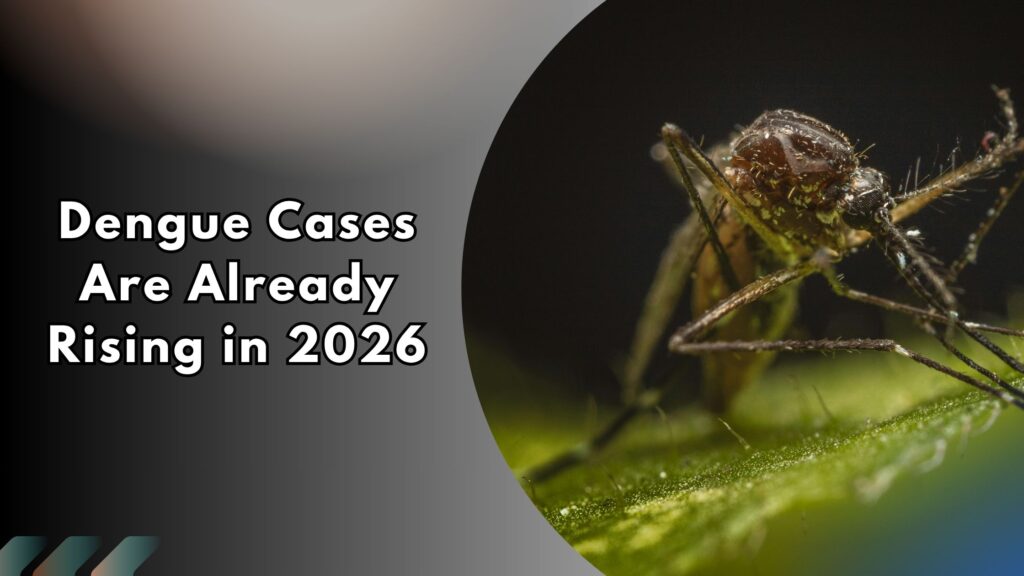
Dengue Cases Are Already Rising in 2026, Earlier Than Usual
According to India’s National Center for Vector Borne Diseases Control, the country had already crossed 16,313 dengue cases by the end of May 2026. Historically, numbers this high haven’t shown up until well into the monsoon months between July and September.
An Al Jazeera report on India’s shifting dengue season told the story of a 32-year-old techie in Gurugram who developed a high fever in May, weeks before the rains even began, and assumed it was routine. It turned out to be dengue. His experience is apparently becoming more common as rising temperatures and erratic rainfall stretch the disease’s season further outside the traditional monsoon window.
In Delhi, officials tracking the 2026 season noted that while early numbers looked lower than 2025, the real picture won’t be clear until August through October, historically when dengue cases in the city peak. So don’t read early-season numbers as a reason to let your guard down.
Common Myths About Mosquito-Borne Diseases
- Myth: Dengue only spreads during heavy rains.
Fact: Not really, and 2026 is already proving it. Warmer temperatures and even light, scattered rain can create enough standing water for mosquitoes to breed well outside the usual monsoon window.
- Myth: A mild fever can’t be dengue or malaria.
Fact: Also not true. Severity varies a lot from person to person. A mild fever that doesn’t clear up in a couple of days still deserves a test, not an assumption.
- Myth: Coils and sprays are enough on their own.
Fact: They help, but they’re only part of it. Clearing breeding sites around your home matters just as much, arguably more, than what you do at night.
- Myth: Once you’ve had dengue, you’re immune for life.
Fact: Unfortunately not. There are multiple dengue virus strains, and repeat infections happen, sometimes worse the second time around.
When You Should See a Doctor Immediately
Please don’t try to wait these out at home if:
- Fever hasn’t improved after 48 to 72 hours
- There’s any bleeding, gums, nose, unexplained bruising
- Severe stomach pain or vomiting that won’t stop
- Trouble breathing or unusual exhaustion
- Joint pain severe enough to limit basic movement
- Anyone affected is very young, elderly, or pregnant
A blood test is quick and affordable in most cities, and it’s genuinely the only reliable way to know what’s actually going on. Please don’t let an untested fever run its course, especially if it isn’t behaving like a normal one.
Key Takeaways
- Dengue, malaria, and chikungunya often look identical to a normal fever for the first two to three days
- Aedes mosquitoes (dengue, chikungunya) breed in clean standing water and bite mainly by day, Anopheles (malaria) prefers murkier water and bites at night
- India’s 2026 dengue season is already showing unusually early transmission, don’t assume risk starts only once the rains peak
- Cooler trays, flower pots, and terrace containers are the most commonly missed breeding spots in Indian homes
- If a fever isn’t improving within 48 to 72 hours, get tested, don’t wait it out
Frequently Asked Questions
1. How can I protect myself from dengue during monsoon?
Focus on clearing standing water around your home, cooler trays, flower pots, terrace containers especially, and pair that with repellents and covering up during early morning and evening hours when Aedes mosquitoes are most active.
2. What are the best ways to prevent mosquito bites in the rainy season?
Empty and dry standing water weekly, sleep under a net, wear full sleeves during peak biting hours, and use repellent consistently rather than only occasionally.
3. What’s the actual difference between dengue, malaria, and chikungunya symptoms?
Dengue tends to bring sharp pain behind the eyes and a high fever that breaks after about two days. Malaria follows a chills-fever-sweat cycle. Chikungunya causes severe joint pain that can linger for weeks after the fever’s gone. None of these are reliable enough to self-diagnose with though, a blood test confirms it.
4. Are there any home remedies that actually help prevent mosquito-borne diseases?
The most effective “home remedy” really is prevention itself, clearing standing water and using repellents consistently. There’s no verified home remedy that treats dengue, malaria, or chikungunya once you’re infected, that needs proper medical care.
5. How do I keep mosquitoes away from my home during monsoon?
Check cooler trays and terrace pots weekly, keep overhead tanks properly sealed, and don’t let water sit in any container for more than a few days. Pair this with repellents and nets for the most reliable protection.
6. Are dengue cases actually rising in India in 2026?
Yes. Government data shows India had already crossed nearly 16,313 dengue cases by the end of May 2026, notably earlier than typical seasonal patterns, suggesting this year’s season could peak more than usual.
Sources and References
- Dengue Situation in India, NCVBDC : https://ncvbdc.mohfw.gov.in/index.php?slide=78
- India’s Early 2026 Dengue Surge, Al Jazeera: https://www.aljazeera.com/news/2026/6/11/why-indias-deadly-dengue-crisis-is-now-no-longer-confined-to-the-monsoons
- Delhi 2026 Vector-Borne Disease Data, The Week : https://www.theweek.in/news/health/2026/06/25/delhi-records-lower-dengue-malaria-and-chikungunya-tally-ahead-of-monsoon.html
- Clinical Signs of Chikungunya vs Dengue, CDC : https://www.cdc.gov/chikungunya/hcp/clinical-signs/index.html
