

Last Updated On: August 13, 2026
A Quick Note: This article is educational, not medical advice or a diagnostic tool. If anxiety is affecting your daily life, a mental health professional can help in a way an article can’t. Don’t treat this article as a sole resource for managing severe disorders.
Quick summary: Anxiety disorder is a real, treatable mental health condition, not just occasional nervousness, and it’s genuinely common in India, with real treatment gaps that most generic content never mentions. This breaks down what it actually is, common symptoms, and real treatment options, therapy and medication both.
The current generation is facing a major issue of numerous mental health conditions to handle and get through their day. One such leading issue is experiencing Anxiety Disorder irrespective of the age group. Anxiety must be a single term, but it covers a clump of mental problems that a person might feel at once.
The given article is a straightforward breakdown of the problems faced while dealing with such disorders and also solutions that will help you to heal them.
Anxiety Disorder Meaning Explained!
Anxiety Disorder is a type of mental health condition that holds back your normal abilities to respond in a situation. You might experience the feeling of fear and dread while talking or responding. Your body can also show some physical symptoms of heart pounding and sweating. A 2023 Gallup survey has found that almost half of Gen Z (ages 12 to 26) often or always feel anxious.
Symptoms of anxiety include breathing rapidly, feeling jittery, having low energy, poor concentration, and being quick-tempered. It can also make your heart beat faster, and your chest and stomach may feel uncomfortable. Different people may have different symptoms.
How Common Is This in India?
NIMHANS’s National Mental Health Survey is India’s largest survey on the subject. It found current prevalence of psychiatric disorders at 10.56 percent, with anxiety disorders among the most common conditions reported. A more specific nationally representative study on generalized anxiety disorder found a treatment gap of 75.7 percent. That means roughly three out of four people who need help for it aren’t getting any.
That gap is the real story here. It’s not that anxiety is rare in India, it’s that most people dealing with it never get treated for it. If you’ve been putting off seeing someone, you’re genuinely not alone in that, but it’s worth breaking that pattern. I’ve written more on this in 10 Creative and Unique Ways to Relieve Stress and Anxiety, which covers the broader Indian mental health data in more depth.
Causes Of Anxiety
In everyday talk, people often use the words anxiety and fear in place of each other. To the doctor, anxiety and fear are a different entity from what is experienced by patients. Anxiety is when one feels irritated without an identifiable cause or when one feels powerless or helpless to keep away from a situation. Fear is when one feels threatened due to a real or imagined danger that exists beyond the individual.
However, an anxiety disorder is more serious than the normal feelings of being nervous or a little scared that you might experience occasionally. Anxiety disorder occurs when:
- You feel distracted, and anxiety makes it hard for you to work properly.
- You tend to get very worked up when something makes you feel a lot of emotions.
- You cannot choose your reaction to things.
Also Read: What is Male Menopause?
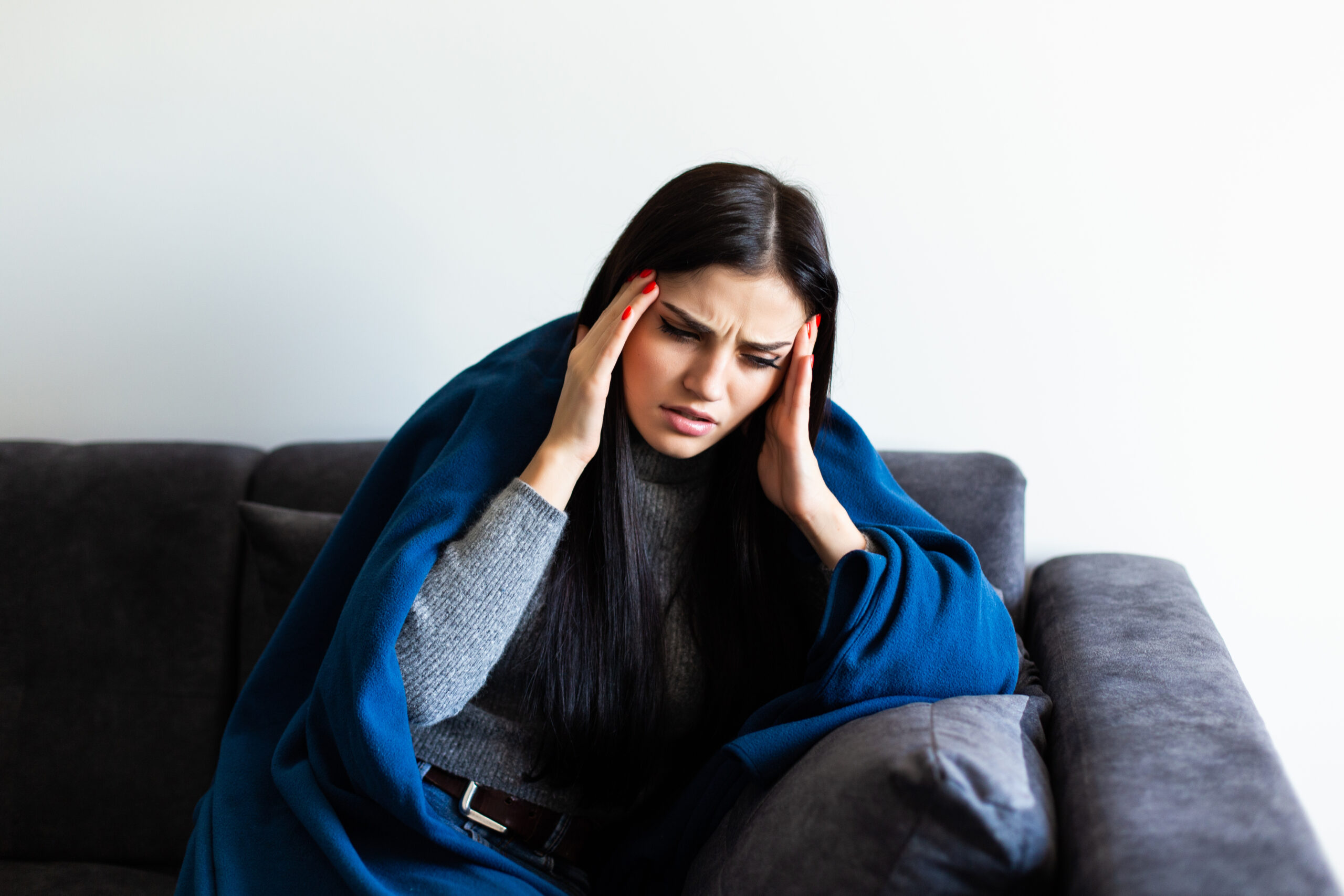
Some Common Anxiety Disorders Symptoms To Notice
A quick check reveals that we all experience anxiety at some point in our lives, and that is why it may be challenging to determine when a particular condition qualifies as an anxiety disorder.
If such is the case and often for a really long time, staying worried and scared to a point where it hampers one’s activities, then one needs to see the mental health doctor. There are different kinds of anxiety disorders, but the most common signs are:
- Faster heart beating and breathing heavily
- Tightened muscles
- Feeling pressure in the chest
- Unverified and increasing concerns and feeling uneasy
- Think too much about unimportant things and feel like you have to take certain actions all the time.
How Anxiety Disorder Is Treated?
Anxiety disorders are not simply a passing feeling of nervousness before something stressful. They can become the parasitic, constant stream of thought that dominates your waking life to the point where it becomes difficult to feel or move, go to bed, wake up, or step outside.
Here’s the good news: anxiety is genuinely treatable. With the right approach, most people see real improvement.
Cognitive Behavioral Therapy
You and your therapist will team up to identify unhelpful thinking patterns that fuel your anxiety. Maybe you constantly tell yourself you’ll mess up that presentation, or you convince yourself everyone will be judging your every move. CBT helps you challenge these negative thoughts and develop more realistic and empowering ones.
Exposure Therapy
Another therapy called exposure therapy is like facing your fears head-on but in a safe and controlled environment. Say you have a fear of public speaking. Your therapist might gradually expose you to situations that trigger your anxiety, like giving a practice presentation to a small group or even just recording yourself speaking.
As you learn to manage your anxiety in these situations, you gain confidence and the ability to face your fears in the real world.
Medications
For some people, medication genuinely helps alongside therapy. The most common category is SSRIs, a type of antidepressant. They work by slowing how quickly your body reabsorbs certain naturally occurring brain chemicals, which is why they’re called reuptake inhibitors.
Another type of drug that can help fight anxiety is anti-anxiety medications, which can also help one get rid of severe anxiety attacks in the shortest possible term; however, one should not forget about the possible side effects and the risk of developing an unhealthy dependency on these medications.

Final Note!
You should not allow the feeling of anxiety to hinder you from pursuing your goals. Start engaging yourself today. You should find therapy from a doctor or a mental health worker. Together, an approach can be worked out that will help minimise or at least control your Anxiety Disorder and regain the necessary control over your life.
All the best and remember that there is hope and a way of getting the right tools so that one can learn how to live a life of peace rather than existing like a hamster on a wheel.
Frequently Asked Questions
Everyone feels anxious sometimes, that’s a normal response to stress. It becomes a disorder when it’s persistent, disproportionate to the actual situation, and genuinely interferes with daily life, work, sleep, relationships, or basic functioning.
Genuinely common, and significantly under-treated. National survey data puts the current prevalence of psychiatric disorders at over 10%. The treatment gap for anxiety specifically exceeds 75%, most people dealing with it aren’t getting help.
For many people, it’s genuinely treatable rather than something to just manage forever. Therapy, medication, or a combination of both can lead to real, lasting improvement, though the right approach varies person to person.
It depends on the person and severity. Many people improve significantly with therapy alone. Others benefit from medication alongside it. This is a conversation for a mental health professional, not something to decide from an article.
If anxiety is consistently affecting your sleep, work, relationships, or ability to do normal daily things, that’s the signal. Reach out to a professional rather than wait for it to pass on its own.
