

Last Updated On: August 9, 2026
A Quick Note: this article is for general information and isn’t a diagnosis. Low testosterone can only be confirmed by a doctor using blood tests, and every symptom listed here has other possible causes. If any of this sounds like you, get tested properly rather than self-treating. Never take testosterone or hormone products without medical supervision.
Testosterone does a lot more than most people assume. It regulates muscle mass, bone density, red blood cell production, mood, and sexual function. It’s present in both men and women, produced mainly in the testicles in men and the ovaries in women, just at very different levels.
Two things worth clearing up straight away: More testosterone is not automatically better. Levels above the normal range, usually from injections or supplements taken without medical supervision, carry real risks including thickened blood, infertility, and heart problems. And low testosterone is a medical diagnosis, not something you can confirm from a symptom list.
One reason this matters more for young Indian men than it used to: a 2024 study from an Indian bariatric centre looked at 134 men aged 18 to 30 with significant obesity. It found 60.4% had total testosterone below 300 ng/dL, the standard clinical threshold, with another 24% sitting just above it. Body weight is one of the strongest drivers of low testosterone in younger men, and it’s the factor most within your control.
So this article covers which symptoms of low testosterone are worth paying attention to in young males, how doctors actually diagnose it, and what genuinely helps.
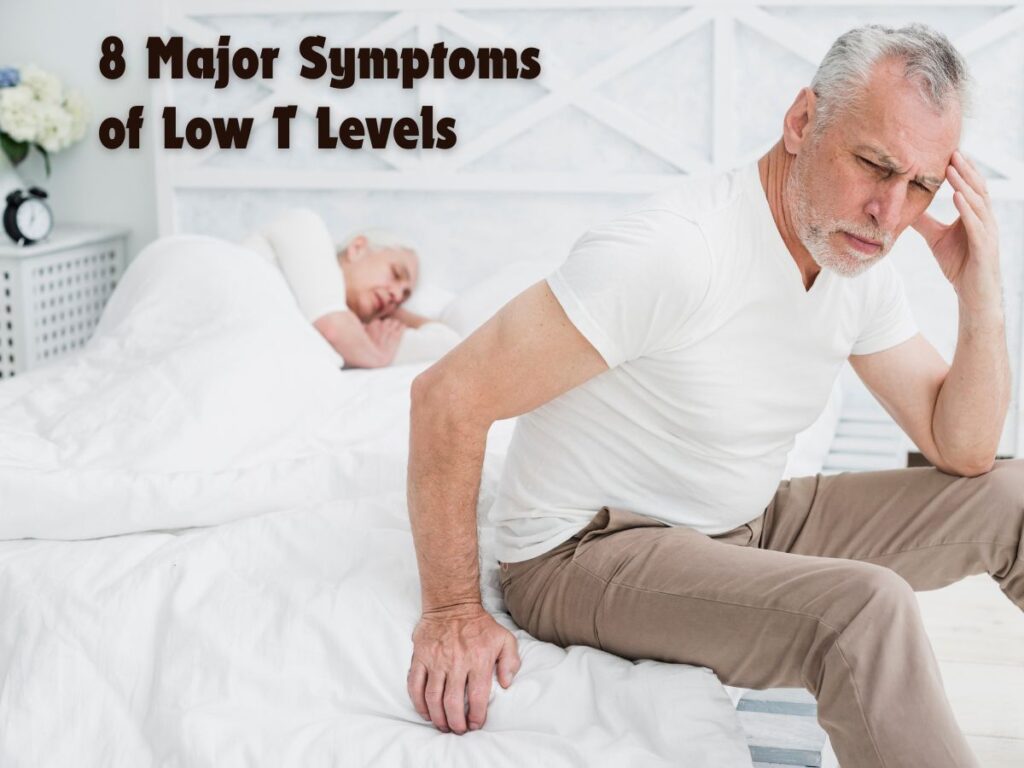
What Are The Major Symptoms of Low Testosterone
Before the list, one caveat that matters. Nearly every symptom below has other, more common explanations: poor sleep, stress, depression, thyroid problems, anaemia, and diabetes can all produce the same picture. A symptom checklist can tell you whether it’s worth getting tested. It cannot tell you that you have low testosterone.
Muscle Loss
Testosterone is responsible for muscle building, and lower T-levels can significantly ruin the production of muscle fibers. It can disrupt the androgen receptors, then leading to low muscle mass, and difficulty in retaining muscles.
Fatigue All The Time
Persistent tiredness is one of the most commonly reported symptoms of low testosterone. Worth being honest about the limits here though: fatigue is also the single least specific symptom on this list. Poor sleep, stress, low iron, and thyroid issues all cause it far more often than low testosterone does.
Hair Loss
Male pattern baldness on your scalp isn’t itself a symptom of low testosterone. But it’s driven by inherited sensitivity to DHT, a byproduct of testosterone, and men with balding patterns typically have completely normal testosterone levels.
What low testosterone can reduce is body and facial hair. If you notice thinning beard growth or less body hair than you used to have, that’s the change worth mentioning to a doctor. A receding hairline on its own tells you about your genetics, not your hormones.
Low Sperm Count
Reduced sperm count and fertility problems are listed by the Endocrine Society among the recognised signs of low testosterone.
Here’s the part that matters most for young men, and it’s counterintuitive. Taking testosterone actually suppresses sperm production. Endocrine Society guidelines specifically recommend against starting testosterone therapy in men who are planning to have children in the near future. If fertility matters to you, that changes the entire treatment conversation, and it’s a reason to see a doctor rather than order something online.
Erectile Dysfunction (ED)
Erectile dysfunction and loss of spontaneous erections are both recognised symptoms of low testosterone. That said, ED has many causes that have nothing to do with hormones, including blood pressure problems, diabetes, anxiety, and certain medications. In young men especially, it’s more often circulatory or psychological than hormonal.
Also Read: What is Male Menopause?
Increased Body Fat
This hormone is involved in many processes in your body and it plays a big role in burning fat and developing muscles. There is always a probability that your body will start storing fat whenever you have low testosterone and this will not allow you to build muscles.
One thing worth adding: this runs in both directions. Excess body fat lowers testosterone, and low testosterone makes fat easier to gain, which is why weight is such a central factor in young men.
Also Read: Understanding The Causes Of Childhood Obesity And Its Consequences
Depression & Anxiety
Low mood, irritability, and difficulty concentrating are commonly reported alongside low testosterone. The relationship works both ways, though. Depression itself can lower testosterone, so it’s genuinely difficult to say which came first without proper testing. If your mood is the main thing you’re struggling with, that deserves attention on its own terms rather than being treated as a hormone problem.
Lower Libido
Reduced sex drive is one of the more specific symptoms of low testosterone, meaning it’s less easily explained by other causes than fatigue or low mood are. It can be genuinely difficult to talk about, and it affects relationships, which is exactly why it’s worth raising with a doctor rather than ignoring.
How Low Testosterone Is Actually Diagnosed
You cannot diagnose this from symptoms, and this is the part most articles skip entirely. The Endocrine Society’s clinical practice guideline recommends diagnosing hypogonadism only in men who have both symptoms and signs consistent with testosterone deficiency, and consistently low serum testosterone concentrations. Serum testosterone is simply what a standard blood test measures, and the guideline recommends confirming it by repeating the morning fasting test.
The specifics matter:
- Timing: Blood must be drawn in the morning, generally between 7am and 10am, when testosterone naturally peaks. An afternoon test can read 20 to 25% lower in younger men and produce a false result.
- Fasting: Eating before the test, particularly sugar, temporarily suppresses testosterone readings.
- Twice, not once: The American Urological Association recommends two separate morning measurements, because single readings vary enormously between tests.
- The threshold: Total testosterone below 300 ng/dL is the commonly used cutoff, with the normal range running roughly 300 to 1,000 ng/dL.
If your levels come back low, a doctor will usually also check LH and FSH. That shows whether the problem starts in the testicles or the pituitary gland, and the distinction changes the treatment entirely.
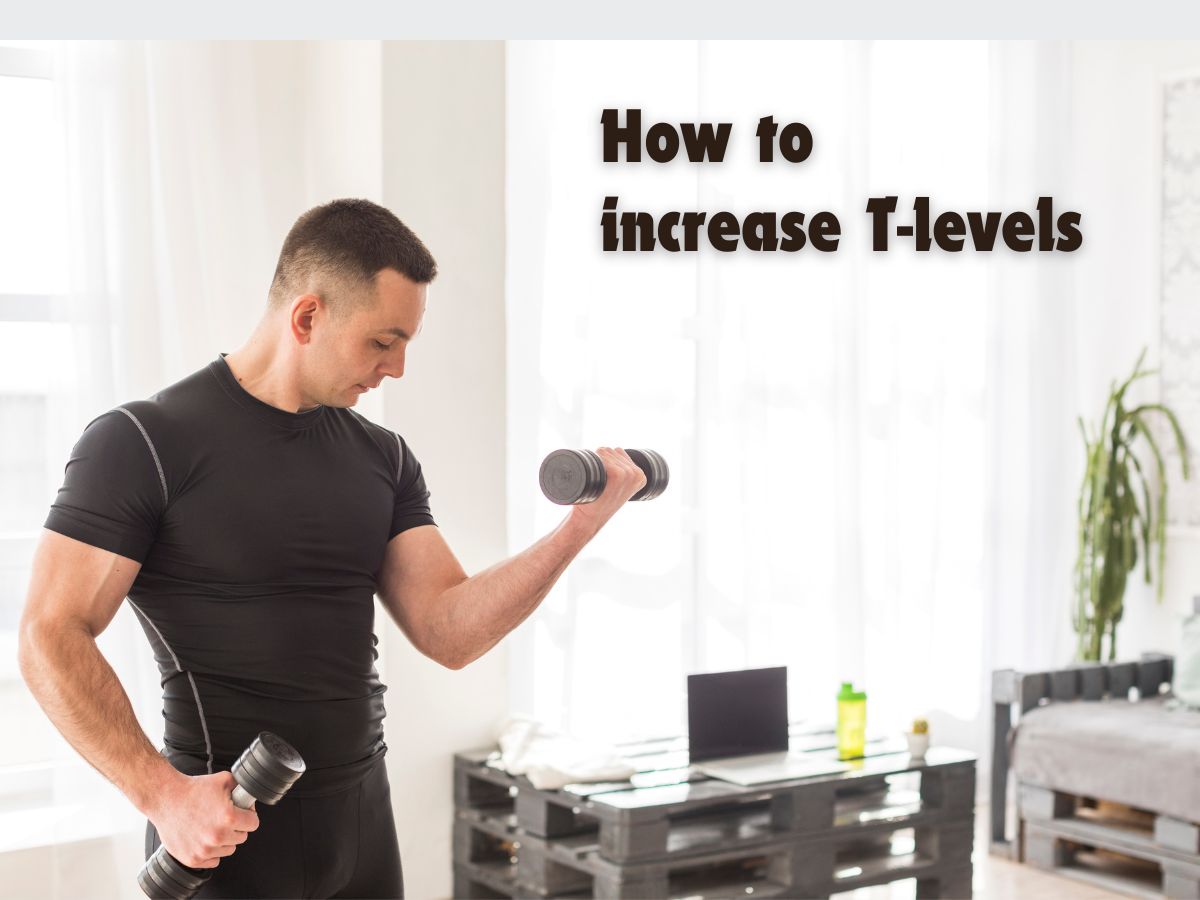
How To Address Low Testosterone Levels
If testing confirms low testosterone, treatment depends entirely on the cause, which is why the diagnosis comes first. Testosterone replacement therapy is legitimate medical treatment for confirmed cases, prescribed and monitored by a doctor. It is not something to self-prescribe, and the testosterone products sold in gyms and online are a different thing entirely.
According to the Mayo Clinic, testosterone therapy can interfere with sperm production, disrupt your sleep, cause skin reactions, emotional changes, and more. If you’re in your 20s or early 30s, here’s what’s genuinely worth doing. All of it helps regardless of what your test results show.
Work out 3 to 4 times a week
Resistance training and general activity both support healthy testosterone, mostly by reducing body fat and improving insulin sensitivity. Given the Indian data on young men and obesity above, this is the highest-value change most people can make.
Eat a Protein-Rich Diet
This advice may sound old-school, but eating a protein-rich diet can actually help. Just don’t forget to complement your diet with other essential macro and micronutrients.
Stress Management
Stress is one of the major reasons behind low testosterone levels. Managing stress can help, and techniques like yoga, meditation, and deep breathing are worth trying.
Sleep
Quality sleep matters here more than most people realise, since most of your daily testosterone is released during sleep. Aim for 7 to 8 hours.
Limit Alcohol
Regular heavy drinking genuinely lowers testosterone. Cutting back helps, and avoiding non-medical steroids matters even more, since those suppress your body’s own production.
Final Remarks!
If several of these symptoms sound familiar, the useful next step isn’t a supplement. It’s a morning blood test, done twice, and a conversation with a doctor about what the numbers actually show.
The lifestyle basics in this article, training regularly, eating enough protein, sleeping properly, managing weight and alcohol, are worth doing regardless of your results. They’re also the treatment most young men with low testosterone genuinely need. Weight and lifestyle drive most cases at this age, rather than any underlying disease. And if the tests come back normal but you still feel flat, that’s worth taking seriously too. It just means the answer is somewhere other than testosterone.
FAQs About Low Testosterone in Young Males
1. What is a normal testosterone level for a young man?
Total testosterone generally runs between 300 and 1,000 ng/dL, though exact reference ranges vary by laboratory. Below 300 ng/dL on two separate morning tests is the usual threshold for diagnosis.
2. Can low testosterone be reversed naturally
Often, yes, particularly in young men where excess weight, poor sleep, or heavy drinking is the underlying cause. Losing weight and fixing sleep can meaningfully raise levels without medication.
3. Does low testosterone cause baldness?
No. Scalp hair loss is caused by inherited sensitivity to DHT, and men with male pattern baldness usually have normal testosterone. Low testosterone reduces body and facial hair instead.
4. Should I take testosterone supplements if I have symptoms?
No, not without testing and medical supervision. Taking testosterone when you don’t need it suppresses your body’s own production and your fertility, and over-the-counter boosters have little evidence behind them.
5. When should I see a doctor about low testosterone?
If several symptoms persist for weeks, particularly reduced libido, loss of morning erections, or unexplained loss of muscle. Ask specifically for a morning fasting testosterone test.
