

Last Updated On: August 22, 2026
There’s a famous saying that goes: “I will love you till my bones are brittle and love is all I have left.”
Love seems eternal but what about your bones, in this regard, today we will dive into the importance of bone health especially in women. Keeping the facts aside we will make you visualize a scenario first.
Assume you’re at the park with your grandkids, chasing them on the swings, perhaps even joining them for a turn. Laughter fills the air, and for a moment, you feel young again. But then, a sharp pain shoots through your hip, an alarming reminder of a recent fall. Suddenly, the joy of the moment is tinged with a worry about your bones. At the fully bloomed age women face the issue of losing bone density. Sounds serious! The article below covers what makes bone health so significant for women, and what the research actually shows.
Bone Health: Why It Is Important For Women?
If we talk about the core foundation of the human body, skeleton systems hold the top priority. It also helps keep your body strong by supporting your movements, protecting your organs, storing minerals, and making blood cells. Bone health holds prime importance in maintaining the strength and mobility of the body. Here is an example to explain to you how significant is your bone health in your day-to-day life.
Suppose you’re in your late 30s, enjoying a trekking trip with family and friends. What do you imagine that being like? Excited about conquering the trails and peaks, or sitting back sidelined because your bones aren’t up for the adventure? Taking good care of your bones today is a real part of accomplishing your health and life goals down the line.
A large-scale Indian study covering over 31,238 adults found that nearly one in three postmenopausal women in India has osteoporosis, a condition where bones become thin and fragile, making them far more prone to fracturing than healthy bone. This isn’t a rare condition affecting a small unlucky group, it’s a genuinely common outcome for Indian women as they age.
What makes this more striking is that India gets sunshine almost year-round. A comprehensive review of Indian population data found that vitamin D deficiency affects somewhere between 70% and 100% of the population across age groups and regions, despite the abundant sunlight. Since vitamin D is what allows your body to actually absorb calcium, this widespread deficiency directly feeds into the bone density problem covered above.
Also Read: Penguin Walk in Indian Moms: Causes, Tests, and What Helps
Quick Tip: Revealing Reality Facts Of Women’s Bone Health
- In most cases, women are known to have comparatively smaller and thinner bones than men.
- It is believed that one in two women after the age of 50 is bound to suffer a bone fracture caused by osteoporosis.
- Diseases like osteoporosis are more heard in women because the hormone that protects bones in females called estrogen reduces in the female body upon reaching a certain age known as menopause.
- In females, the combined risk of breast, uterine, and ovarian cancer is almost equal to the risk of breaking a hip.
- Research on urban Indian populations found that only around 10 to 15% of people are even familiar with osteoporosis as a condition, which is a big part of why so many women only think about this after a fracture, not before.
Factors Affecting Your Bone Health
There are many reasons affecting the bone health in your body. The major ones are stated and explained below:
Deficiencies
Since calcium is the principal building material of bones, a deficiency leads to bones turning weak and thus likely to break. Vitamin D plays an important role in the utilization of calcium from food; if an individual does not get adequate vitamin D the body cannot absorb calcium for framing the bones.
Tobacco and Alcohol Consumption
Alcohol is known to block the absorption of calcium and also affect the processes of bone maintenance in the body leading to bone loss. Tobacco products slow down the process of bone creation and bolster bone destruction. It also lowers estrogen levels and increases bone loss in women at a much faster rate.
Lack of exercises
Any exercise that causes the body weight to be put into support is important in establishing and sustaining bone mass. Bones react in a manner, which is by forming denser bone tissue to the stress experienced. Exercises that put weight on the bones such as walking, running, moving, or lifting weights advance the formation of unused bone tissue as well as offer assistance to protect the bones mass.
Age
Estrogen levels also start reducing on their own as women age, which means that one does not have to go through the process of getting the treatment but they will lose it naturally. Estrogen is the type of hormone that also has the properties of making bones strong. Estrogen is important when the bones get weaker and can easily break especially after the woman has reached the menopausal stage in her life.
Also Read: Understand Your Menstrual Cycle!
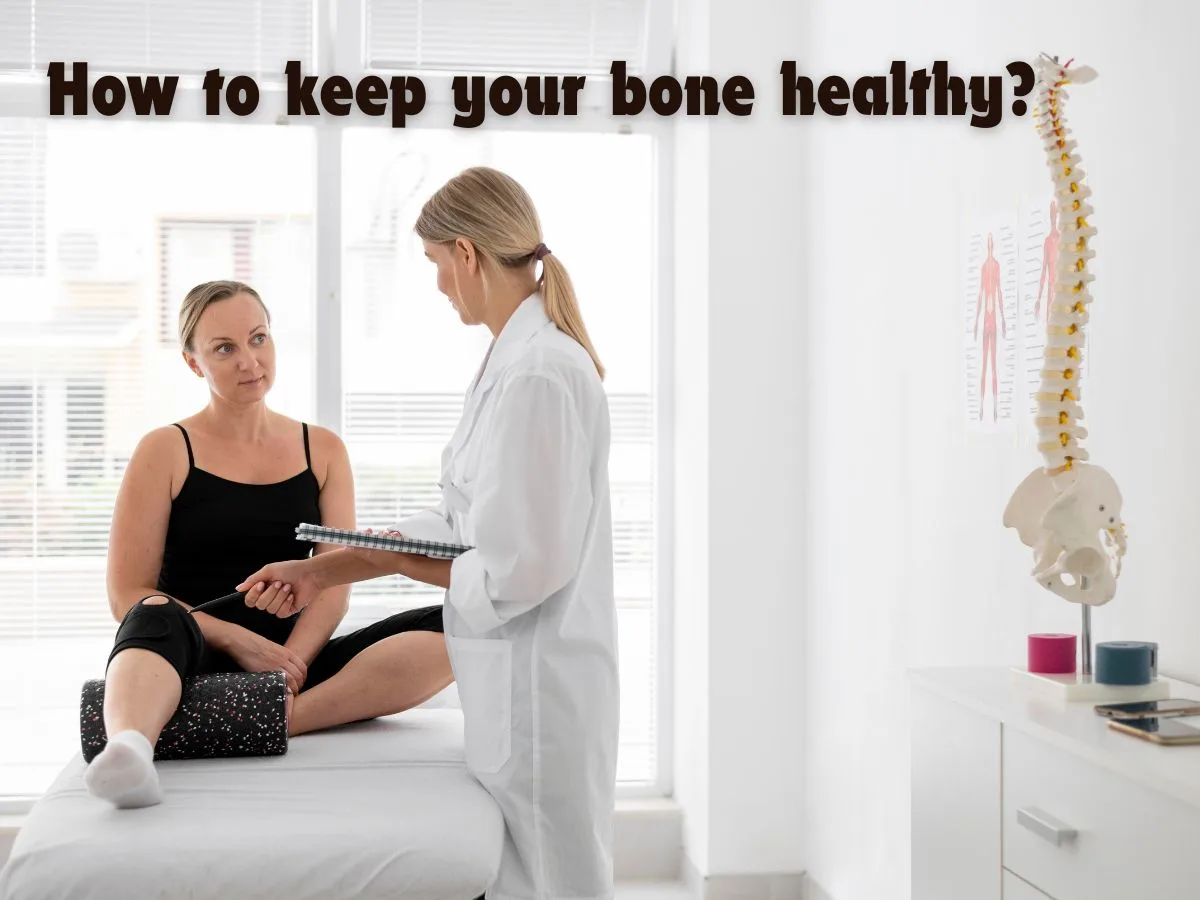
How To Keep Your Bone Healthy?
It is very important to look after your bone health in order to keep it healthy and strong. Here are some key tips that women can follow for a healthy bone life:
- Take a lot of calcium-rich foods such as milk products, cheese, green vegetables like spinach, and calcium-fortified foods. You can also consume calcium tablets as and when required, in case of any necessity. You must take vitamin D from heat, fish, or vitamin D pills in the proportion that your doctor advises you to.
- Integrate physical activities that improve the strength of the muscles and bones in your day’s schedule. This will lead to the growth of bones and decrease the chances of you falling.
- Avoid cigarettes, diminish alcohol consumption, and increase good sleep to maintain strong bones.
- Discuss with your doctor your risk factors for developing osteoporosis and the appropriate time for getting a bone density test. This indicates that fractures can be prevented in the future if early diagnosis is made for medication and some form of lifestyle changes.
Covering Up!
Bones also need maintenance, getting them healthy will also ensure that you will not have trouble with them in the future. To sum up, the given simple rules will help to improve the condition of bones and protect them from fractures in the future, if one follows these three rules: to consume and enjoy foods containing calcium and vitamin D, move around, and maintain a healthy lifestyle.
Frequently Asked Questions
1. How common is osteoporosis in Indian women
Very common. A large study of over 31,000 Indian adults found that roughly one in three postmenopausal women has osteoporosis.
2. Why is vitamin D deficiency so common in India despite the sunshine?
Mainly clothing patterns that limit skin exposure, time spent indoors, dietary habits that don’t include much vitamin D-rich food, and skin pigmentation, which affects how efficiently skin produces vitamin D. Multiple studies estimate deficiency somewhere between 70 and 100% of the population.
3. At what age should women start worrying about bone health?
Ideally, well before menopause. Bone density peaks in your twenties and thirties and gradually declines afterward, so building strong habits earlier gives you a stronger foundation for later.
4. Can osteoporosis be reversed?
Not fully, but its progression can often be slowed significantly with proper treatment, adequate calcium and vitamin D, and weight-bearing exercise, especially if caught early. This should be managed with a doctor, not self-treated.
5. Is a bone density test necessary if I don’t have symptoms?
Bone loss typically doesn’t cause symptoms until a fracture happens, which is exactly why testing matters even without symptoms. If you’re postmenopausal or have risk factors, it’s worth asking a doctor about a DEXA scan.
